
Among others, a phoenix that rises after almost every terror strike is the issue of hijack of the Indian Airlines Flight IC 814 (Airbus A300) en route from Kathmandu to Delhi on December 24, 1999. The crisis ended after India agreed to release Masood Azhar, along with some other terrorists. The released terrorists were later implicated in other acts of terror, like the gruesome murder of Daniel Pearl (2002) and the Mumbai Terror Strike (2008).

Therefore, after Pulwama, a recall of Kandahar appears to be a natural public impulse. The decision of the Bajpai Government to barter Masood Azhar for the passengers and the crew is being criticised yet again. Many are suggesting that India should not have let go of Masood; it is being lamented that India is paying the cost for that ‘wrong’ decision. It is fashionable to cite the example of Israel in dealing with terror strikes and their policy of never-succumbing-to-the-demand of the terrorists to release their brethren in return for Israeli hostages.
The fact is that Israel does have a rigid policy on the subject. Israel has dealt with situations on case-to-case basis. Kozo Okamoto, a member of the Japanese Red Army fighting for the PLO was caught alive by the Israeli security forces after the Lod Airport Massacre in 1972 (17 killed; 22 injured). Although sentenced to life imprisonment he (along with some PLO members) was bartered for a few Israeli soldiers held by the PLO.
In another case, Israel had almost agreed to release PLO men in its jails in return for the hundred odd Air France passengers (mostly Israeli) held hostage at Entebbe Airport (Uganda 1976). But the delay in the return of Idi Amin (the Ugandan dictator who was away) to Kampala gave them an opportunity to plan and carry out the daring raid to rescue the hostages (the daring Entebbe Raid). The Israeli Prime Minister, Yitzhak Rabin, was supported by the entire parliament.
The Israeli leadership decides when, and when not, it is in Israel’s interest to accede to the demands of the terrorists and acts accordingly. The public and the opposition parties do not question the wisdom of the leadership––they do not pester the leadership either way.
Returning to Kandahar, the Indian leadership did what it considered best under those circumstances. Post Pulwama, it is unfair to criticise the then government and the security forces for their actions. Kandahar is past––lessons have been learnt and ways of dealing with similar situations in the future have been worked out.
In the current situation, all political parties have shown remarkable maturity by extending support to the government. It would be best to leave the government and the military leadership (who are in the know of things) to decide the best course of action.

A parting thought.
For Israeli state, it is a question of survival; they have reason to respond to situations the way they do. They also have full support of major world powers in everything they do. Our leadership and military has to go it alone. We’ll do well not to breathe down their necks as they plan and execute an appropriate response. Let’s not indulge in candlelight marches, burn tyres, and block roads to pressurise those who need to remain calm at this juncture. Think of it: such actions only cause global warming, traffic snarls and loss of productivity. Still worse, they might force a knee-jerk reaction. Let’s give the government and the military the elbowroom to act freely.




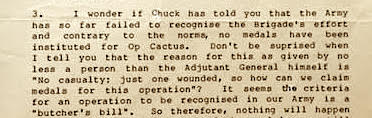


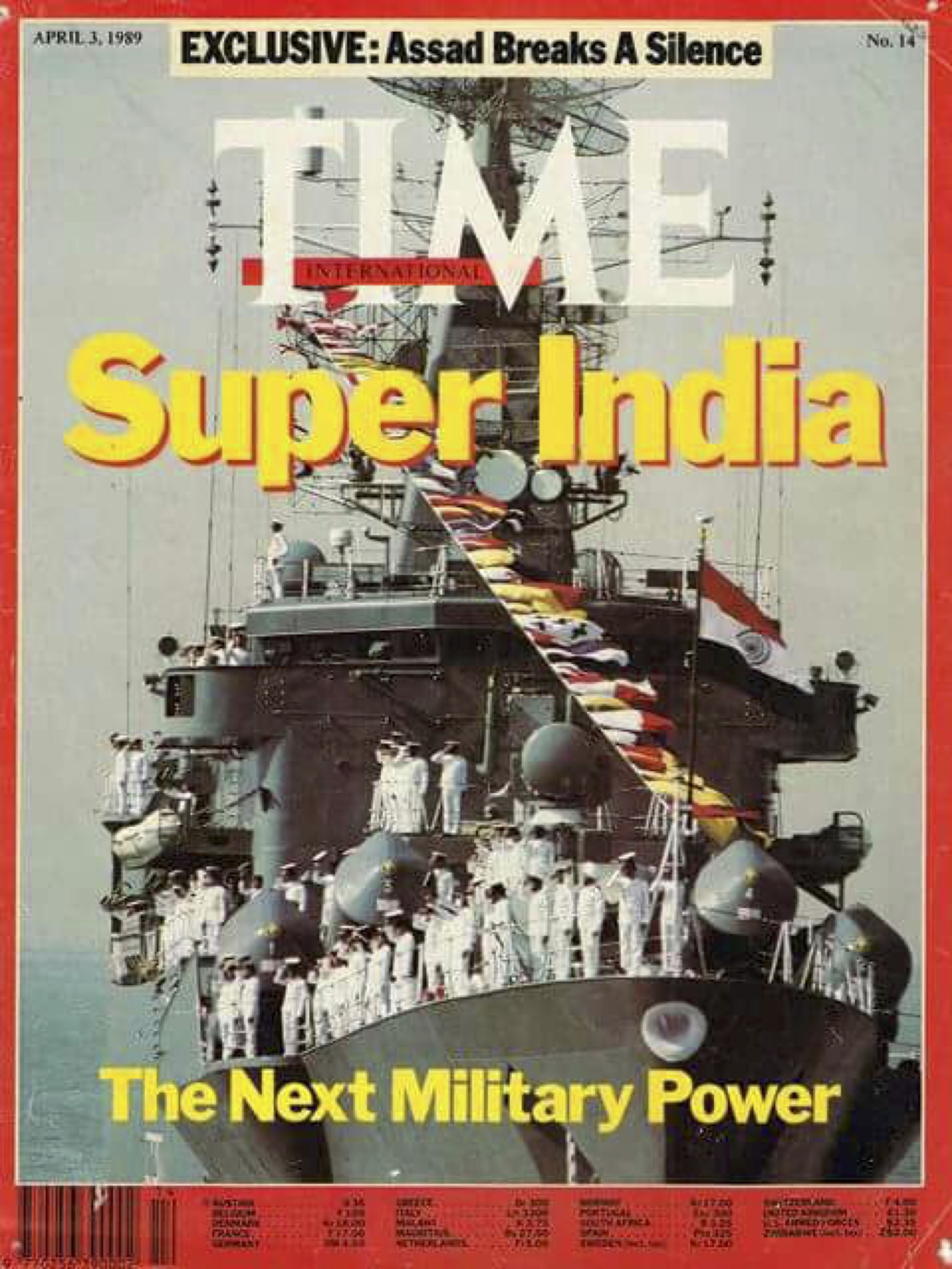 Operation Cactus underscores three fundamental issues: One, success of military operations depends on innumerable factors. Two, all such factors cannot possibly align favourably, always. Three, success favours those who dare and act regardless. Operation Cactus is the saga of men determined to achieve ends despite all odds. It proved the prowess of Indian military and diplomacy alike and showcased India as an emerging Regional Power.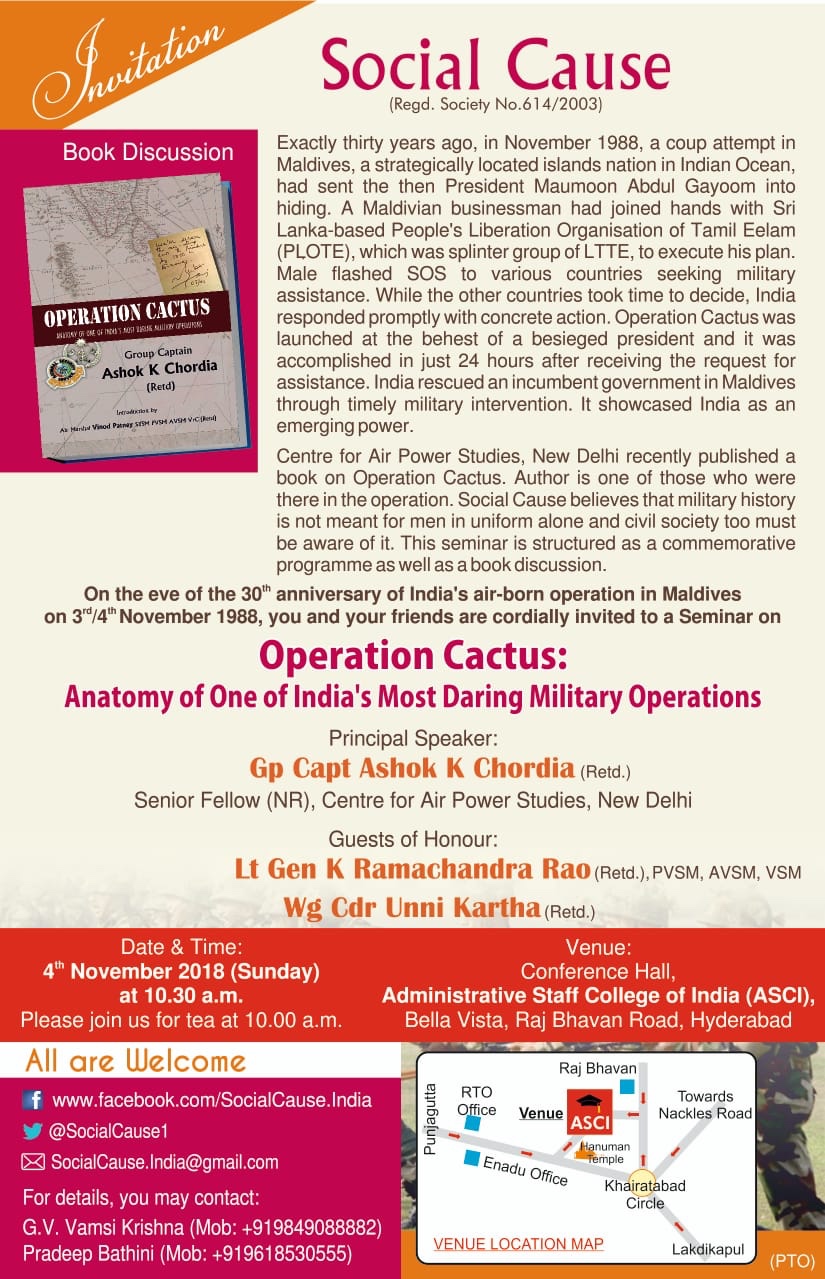

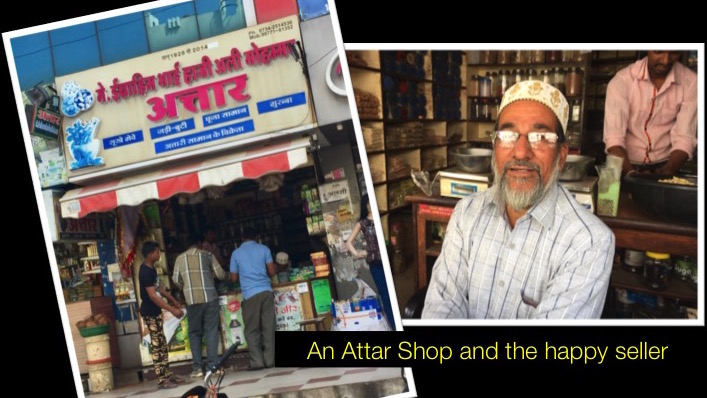 It is commonly available (as dark coloured wrinkled dried fruit) in Ayurvedic Medicine Shops and at Attar (typical shops run by the Bohra community in many towns and cities). It is also readily available in powdered form. Incidentally, Harad is one of the three ingredients of the magic potion,
 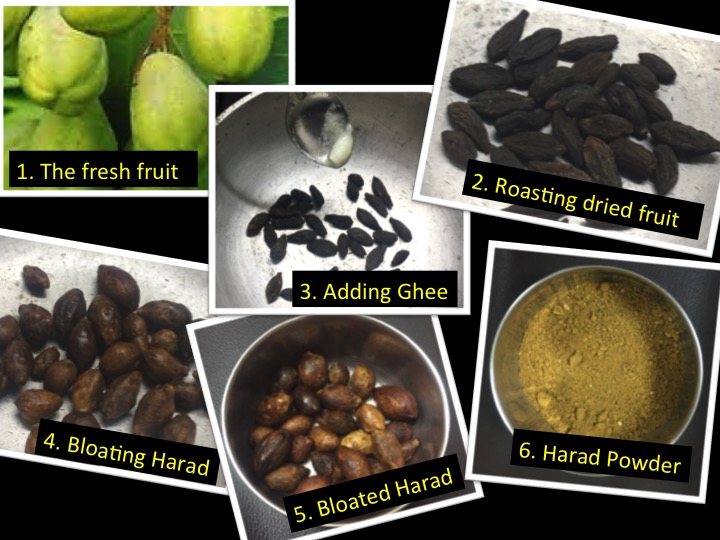 There will be practically no change in the looks of the fruit. Add 5 grams of butter oil (Ghee) and continue roasting. Each fruit will start bloating and will acquire a smooth and bright appearance. In five minutes of adding butter oil (Ghee) all the fruits will turn into brightly coloured smooth looking nuggets. At that point stop roasting and let the contents of the pan cool to the room temperature. Grind the contents to a powder in a mixer/grinder. The powder will be chrome yellow/ light brown. Use the powder as per requirement.

