“the”

“It is rather simple, my child,” I said, “When the name of a country suggests that it is a group of states or a confederation or a federation, we use ‘the‘ before their names like, the United States, the United Kingdom, the United Arab Emirates….”

“I see,” Kartik nodded.

“Not only that…,” I added to enlighten him further, “…the names of some countries which are archipelagos or groups of islands, are also preceded by ‘the‘ for example the Maldives and the Seychelles.”

“I will not use ‘the’ with Maldives. I don’t like that country. The Indian troops risked their lives for their President and we have been rushing to help them in their times of need, yet they speak with disrespect for our Prime Minister. They are bad people!”

“Language has nothing to do with relations between countries,” I chuckled. “Grammar is not governed by feelings, Maldives will continue to be called, the Maldives. Your dislike for that country doesn’t change anything. Relations between countries are temporary; only interests are permanent. Yesterday the Maldives were with us; today they are with China. Who knows, tomorrow they might end up being without any one on their side when China discards them like a spent tissue.”

A pout on the little lips, lateral movement of the eyeballs, and a shrug of his little shoulders was Kartik’s way of conveying his displeasure about this particular rule of the English grammar. He continued paying attention regardless.

“Not only that, we use ‘the’ before names of groups/ organisations that suggest coming together of several entities. For example, the United Nations, the World Health Organisation and…,” I paused to think of names of more organisations.

“In that case it would be grammatically correct to use ‘the’ with India too,” the little one spoke with sparkling eyes. “I.N.D.I.A. stands for ‘Indian National Developmental Inclusive Alliance’ and meets the criteria of being a coalition of several entities?”

That question put me in a tailspin. I remained silent for a long minute until Kartik tugged me, “Isn’t it Dadu?

I scraped the inside of my cranium for the special wisdom required to answer such questions. Then I spoke hesitantly. “Well, theoretically you’d be right if you use ‘the’ before I.N.D.I.A. But as it stands, there is nothing like I.N.D.I.A. It is just a group of ambitious people trying to remain relevant in Indian politics by any means. Rather than setting an agenda for the country, their only aim is to remove the ruling dispensation, and their primary concern is ‘seat sharing.’ Men apart, every man there is a candidate for the post of prime minister. As of now I.N.D.I.A. exists only as a concept.”

The quizzical look on Kartik’s face suggested that he didn’t understand a word of what I had said. But does either India or I.N.D.I.A. visualise the consequences of having a weak, rudderless and meaningless opposition?

Comments

Wing Commander Sanjay Sharma (IAF Veteran) — If my Grandson were to grill me like you were fried, I shall take apolitical asylum in Djibouti.😱😱🤯🤯

Wing Commander Vijay Ambre (IAF Veteran)—You need a strong and united opposition for a vibrant parliamentary democracy. The present conglomeration in the opposition is not likely to provide that after the general elections, especially if the present government returns to power.
The Modi government is doing a very good job on all fronts and deserves another term for internal and external policy continuity.

Colonel Jamshed Hussain (Indian Army Veteran)—Very interesting…use of grammer to drive home a point..for a meaningful democracy, a strong opposition is as important…. The small one for weekend, is razor sharp in its thought..Ashok, my compliments.👍 Stay blessed🙏

Air Marshal PV Athawale (IAF Veteran—Beautifully put across Ashok, through Kartik, something which “the politicians” scream aloud every evening on the TV, and no one understands!

“Malé will sink!”

At noon on November the 3rd, 1988, it was an anxious moment in the Ops Room of Army Headquarters in Delhi. The who’s who of the Indian political and military leadership, and the sharpest brains of the diplomatic corps had gotten together to plan the rescue of the then Maldivian president surrounded by blood-thirsty armed men. The lingering fear was that of the IAF aircraft, with the troops on board, being blown up by the rebels at the time of touchdown. There were suggestions to respond with maximum force. With a view to outdo the rebels, a general officer suggested inducting more troops than the number that had been proposed by the Army Chief. Humour was not lost on a witty Ronen Sen—a troubleshooter of a diplomat—who said, “Let’s not induct so many troops—the island will sink under their weight.”

Thankfully, Malé didn’t sink under the weight of the Indian military contingent then.  Also, in the following decades the islands didn’t submerge despite the weight of the infrastructure developed, mostly gratis, by India. Even the weight of the feeling of indebtedness for the assistance provided by India in their times of various crises couldn’t dunk the islands.

Occasionally, when their leadership was getting ensnared by Beijing, well-meaning islanders—and there is a large number of them—were in touch with Indian leadership and intelligentsia. But India did not heed their clamour for help. Delhi didn’t interfere considering that it was the prerogative of the Maldivian leadership. The result was that the Maldives unfairly cancelled many contracts awarded to the Indian firms (including the $511 million airport project bagged by GMR) and even leased islands to Beijing which are being used as observation posts to snoop on India. This certainly was not what India had bargained for its non-interference in its neighbour’s affairs.

A cross-section of people on either side feel that both India and the Maldives will be the losers as a result of the current spat. They conclude, and rightly so, that China will gain immensely from this tiff. So, should India accept this Malé-Beijing bonhomie as fait accompli? Certainly not, particularly if it is detrimental to India’s strategic interests. Silence is not a rewarding policy in a world of strategic communication. India needs to do more than just conveying its displeasure over Malé’s actions.

People also say that China is economically too powerful to be confronted. The diplomacy we have followed over the years has been trumped at each step by the lure of Chinese investments. It is, therefore, no wonder that Malé is following in the footsteps of Nepal, Bhutan, Bangladesh and Sri Lanka.  But, can India let the dragon keep trampling its interests? Time and energy need not be devoted to answering that rhetorical question. China must not continue to get things on a platter.

India must do everything possible to make Beijing pay the cost for encroaching its interests. In the bargain, if Malé suffers, so be it; they have asked for it. All the possible ways in which India can counter China in the Maldives (and elsewhere)—and there are very many of them—may be adopted discreetly, without making a hue and cry. Keeping Beijing guessing will also serve a definite purpose.

Out of step with Chi

President Mohamed Moizzu who generated the anti-India wave and rode it to success in the presidential election is certainly not in step with Chi. Now in Beijing, he’s trying to get some favours. Among others, China has promised additional flights and tourists to Malé. That will more than make up for the loss of revenue due to Indians not touring the Maldives. Hopefully, for the time being. But for sure, among the tourists will be Chinese agents (and possibly carriers of new variants of Covid) whose presence, the Maldives will regret at some point of time in the not too distant future.

What can India do?

Malé incurred heavy losses during the pandemic

The frenzy will be over soon. When the dust settles, for us Indians, the most difficult thing will be to acknowledge the blind spots so undiplomatically pointed out by the Maldivian ministers. Although, their comments were related to tourism in the Lakshadweep, it will be in our interest to consider tourism as a whole—everywhere in India.

India has umpteen exotic locations to promote tourism—pristine unexplored beaches, mountain treks, jungle safaris, bird sanctuaries and reserve forests. We have historical monuments and places of worship. Tourism for adventure sports, medical care, naturopathy, meditation and Yoga is already flourishing. People also travel for art, culture, theatre, film and photography… the list is long and ever growing. Limits are posed by imagination alone. Each of these has its peculiarities—means of transport, accommodation, food, equipment and above all people who can communicate well. India must go all guns blazing, and create infrastructure and train human resource to give the tourists an experience. Some sincere and meaningful introspection is vital as we take on the adversaries.

Need more be said!?

[Hereafter, how to deal with the Maldivians visiting India for medicare, education or any other purpose—is a subject for another day.]

Comments

Well written, Chordia; as usual! Thought provoking too…really need to up the ante in tourism….we have a long way to go…’coz, I feel genetically we are crooks…especially those who can make a difference..out for the big buck!! ~ Air Vice Marshal TPS Dhillon (IAF Veteran)

Well timed and articulated. India just has 1.6% of global share of tourism. As rightly put by you that we have everything to offer. Beaches, mountains, deserts, monuments, buildings , temples with their unbelievable architecture, yoga, massages, traditional music and dances not to forget medical and religious tourism. We have to exploit all these but for that we have to create infrastructure and also improve our image as a nation. It is difficult to digest that having a destination wedding in India cost three times more than in Bali. ~ Group Captain Sanjiv Aggarwal (IAF Veteran)

Also read

“O Maldives!”

O Maldives!

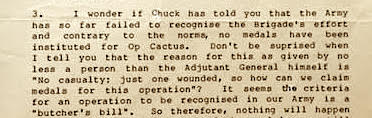
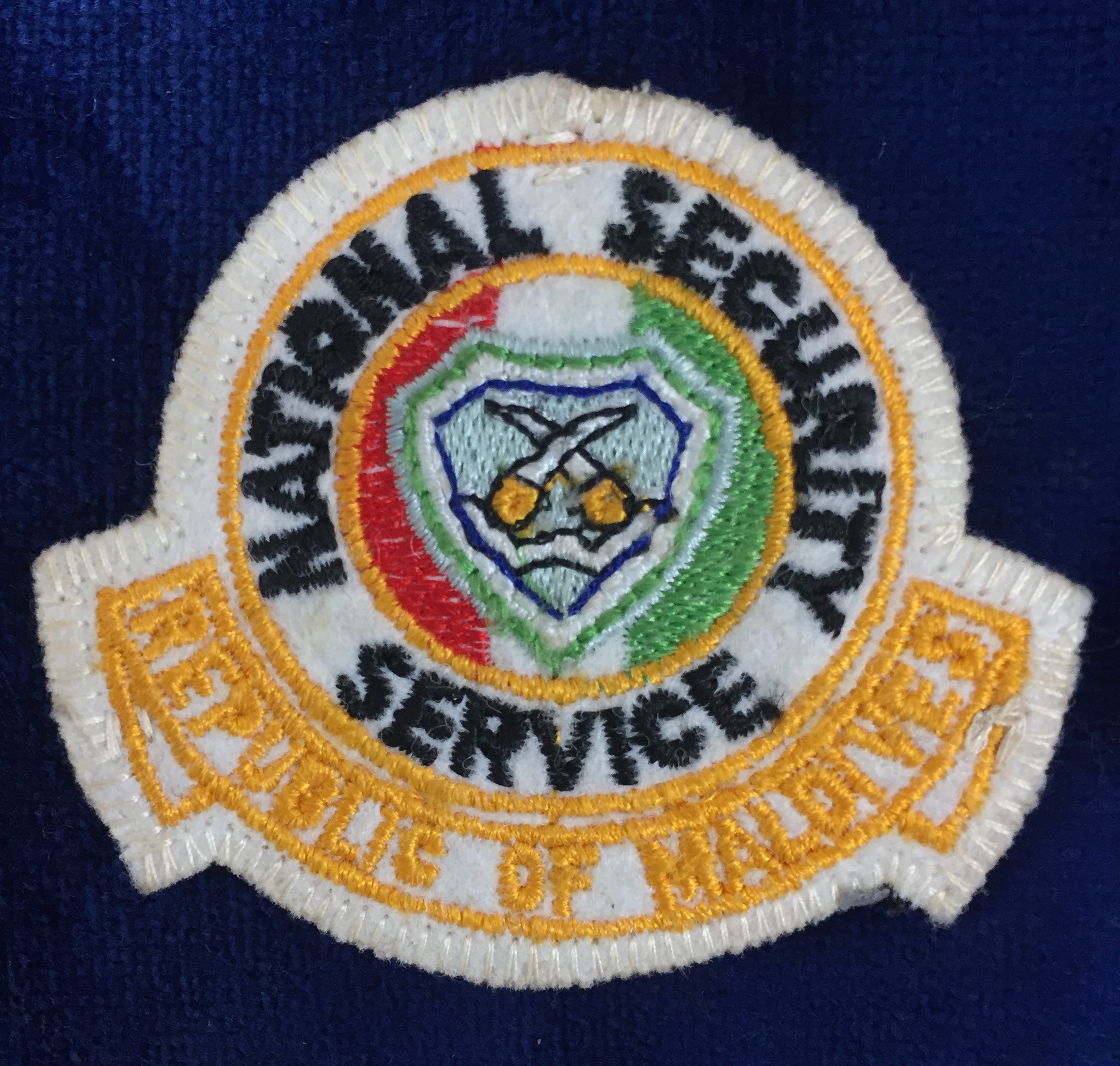
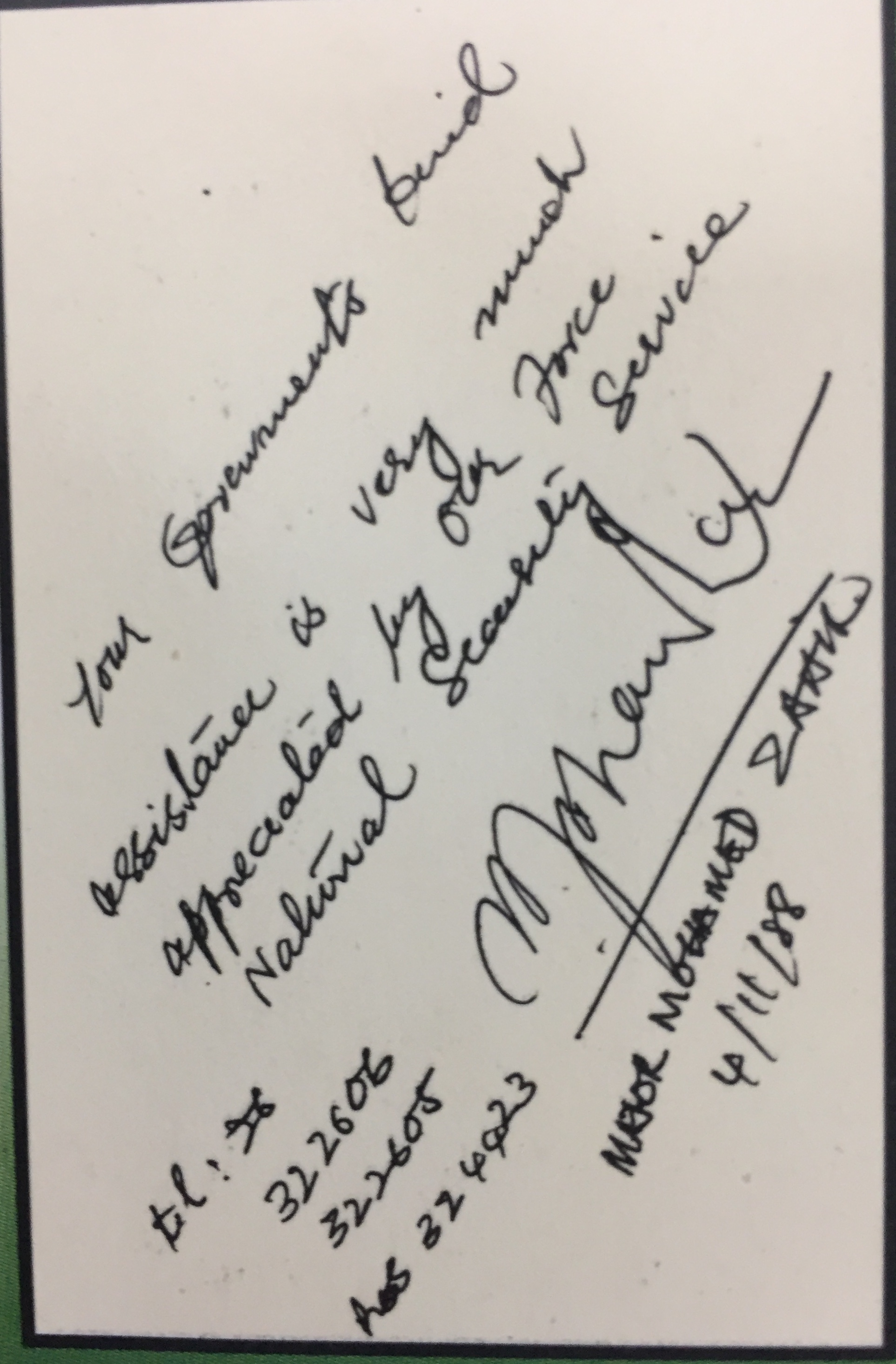
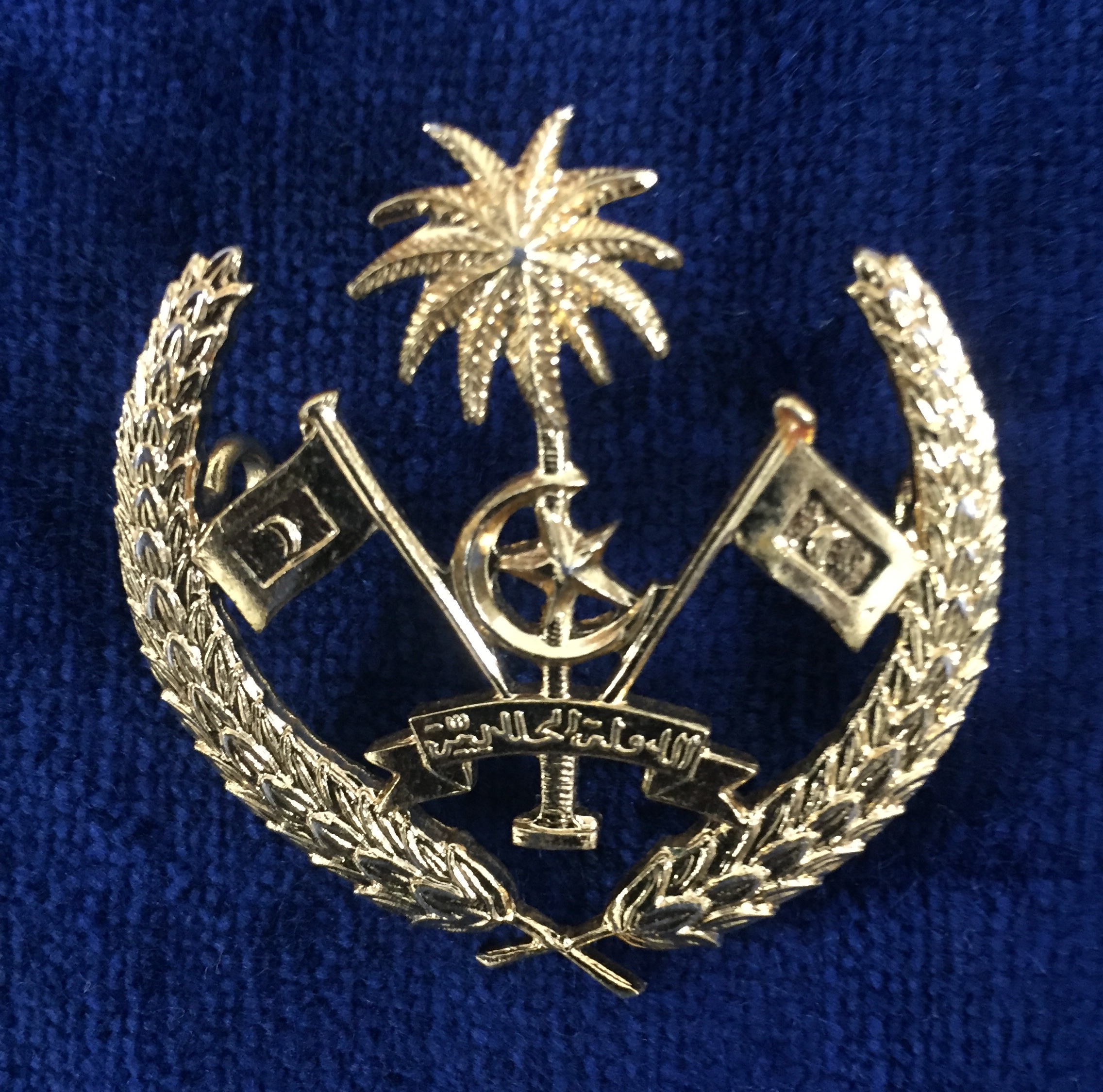
The one, and the only time I have ever been to the Maldives was without a passport, visa or an air ticket. Yet there was a red-carpet welcome. The Maldivians, their Government and their President in particular, were thankful for that visit of ours. In a handwritten note which he gave me, a senior military officer had expressed the sentiment: “Your Governments kind assistance is very much appreciated by our Force. National Security Service.” Signed Major Mohamed Zahir 4/11/88. He also presented me a cap badge and a formation sign of the NSS as souvenirs. “Do come over again in better times,” he had said, extending an invitation to me to the island nation. Perhaps that generous offer from a grateful Maldivian has become time-barred.

That was in November 1988—the Indian Armed Forces had provided succour to the then Government of Mr MA Gayoom in the midst of an attempted coup. The IAF had airlifted the paratroopers from Agra to Malé (2600km away); the paratroopers had rescued the President and restored calm. The Indian Navy had rounded up the fleeing rebels.

Much bloodshed was avoided; the medics of the Indian Army had taken over the Central Hospital to provide care to the wounded. The authorities had fallen short of words to appreciate the gesture (read the letter). The Indian troops remained in the Maldives for six months providing security cover and training the Maldivian forces.

And that was nearly 35 years ago.

Is the Prez being mentored/ chastised?

Time, tide and China have caused the erosion of the relationship that had been built on mutual trust and cooperation over the intervening decades. In the Maldives of President Mohamed Moizzu, the presence of an Indian helicopter and a handful of men—stationed to provide assistance to the Maldivians with the explicit understanding with the previous governments—is no longer acceptable. The manner in which it has been put forth by the man speaks volumes about his standing as the President of a sovereign country. Mind his body language and that of the Al Jazeera anchor during his recent interview to the television channel. The President is sitting up like a schoolboy answering the anchor who is leaning back, cross legged and pointing a pencil at him like a teacher. During their interaction, he appeared fidgety as if he were under instructions from his bosses to tow a particular line.

For sure, minds in Delhi will be working overtime to establish how things have come to such a pass, and more importantly, how to turn the tide. At the same time, the leaderships in Beijing and Malé must be looking forward to extracting the maximum they can from their present bonhomie. The people of Maldives will feel the effect of the Chinese bear hug sooner than later. It’ll be myopic on their part to ignore the outcome of Beijing’s largesse to Pakistan and Sri Lanka, and the result of China’s benevolence in Africa and South America.

Knowing the sentimental Indian, it wouldn’t be long before the ripples caused by #EXPLOREINDIANISLANDS and #boycottmaldives turn into waves. And, it shouldn’t be surprising if those waves turn into a tidal waves and then, into a tsunami that takes a small toll on Maldivian Tourism. As it appears, many have already reworked their plans (changed the destination from the Maldives to the Lakshadweep). A more likely and significant positive spinoff of the spat triggered by the unsavoury comment of a Maldivian politician (on Prime Minister Modi’s call to make Indian islands a tourist destination) would be an improvement in the facilities that our islands provide.

With a few Bollywood celebs echoing the anti-Maldives sentiment, investors might reconsider their plans of shooting their films on locales in the Maldives. A few cancellations will be enough for the Maldivians to feel the heat. Not long ago, I had advised my friends working on two of my stories—one inspired by Operation Cactus, and the other, based on a life changing event in the life of a military veteran—to plan shooting in the Lakshadweep rather than the Maldives. Although those suggestions were purely to keep the costs down, the present euphoria is nudging the decision further in this direction.

In the foreseeable future, Maldivians are less likely to give up visiting India for medical care or enrolling in Indian educational institutions or for other reasons. Visiting India is a need for the Maldivians.

A dispassionate cost benefit analysis of the current spat might show a little gain (or at least, NO LOSS) for India in the near future. The long-term tangible and intangible losses for the Maldives might be unbearable. Needless to say, the islands leased by the Maldives to Beijing have been a thorn in India’s side. Interestingly, the wisdom of an old Hindi proverb boils down to: “Use a thorn to take out a thorn.

A dragon doesn’t have a soft belly. But it shouldn’t be impossible to find some delicate spots to insert a few needles to relieve the pain in India’s side. I am sure Jay (read Jai, if you will) is at it.

[Note: As I post this article, news of suspension of three Maldivian Ministers for their derogatory remarks against Prime Minister Narendra Modi, is making headlines. Will this action by President Mohamed Moizzu, stop the impending tsunami? Let’s wait and watch.]

Now read…   “Malé will sink!”

Related Posts

Operation Cactus: The Indians did not sleepwalk into the Maldives!

Remembering Operation Cactus: (The Maldives, November 3, 1988)

Australia Day & Operation Cactus

Jay, Veeru and India China Relations

Dealing with the Darned Dragon: Preface

Dealing with the Darned Dragon-I: Border Infrastructure

Dealing with the Darned Dragon-II: Escape Hatch

Dealing with the Darned Dragon-III: A Lesson from Pearl Harbour

Dealing with the Darned Dragon-IV: Exercising (with) the Nuclear Option

China’s Champagne Moment

Champagne!

Champagne in his Good Days
Champagne, in good days

Do not be misled; I am not talking about the sparkling white wine, which comes from a region of that name in France. I am talking of the stray dog, also of the same given name, Champagne who shares the space with a score and more of potted plants placed at the entrance of my house. He quietly occupied that spot more than half a dozen years ago, and before we could realise, started staking a claim on it as ‘HIS DOMAIN’. We didn’t mind his presence there because he barked at every moving thing that crossed our entrance, giving us a vague sense of security. Soon doles of leftover food became a routine and Champagne started demanding them as his right. Passers by started treating him with the regard due to someone’s pet; unknowingly, other dogs started paying obeisance. Our occasional unintentional good treatment and cosseting led to further closeness with the cur. Our affinity notwithstanding, Champagne has bitten nearly a dozen unsuspecting humans including my dear wife and yours truly.

In the last few days––since the lockdown due to Covid-19 pandemic came into effect, to be precise, there has been practically no human footfall in the Amity University campus where we live; stray dogs and birds have been ruling the roost, almost. While strictly observing social distancing norms I have been taking occasional walks. A few days ago, Champagne started accompanying me on these walks.

Champagne expanding territory…

The other day I found something strange in Champagne’s behaviour––he was stopping every now and then, smelling something and peeing on objects. It wasn’t once or twice––he did it more than ten times in the span of an hour. I thought it was unusual. I wondered and pitied, “Was he suffering from some ailment of the urinary system? Do dogs suffer from prostate?” Concern for the poor dog led me to Google the issue and also consult my ‘genuine’ canine lover friends. I discovered that the act of peeing was a dog’s way of marking its territory. Over a few days in the past, he had been trying to expand his geographical area of influence.

You got it right. It’s time China appeared in this discourse…

Champagne was behaving exactly like China––flexing muscles and grabbing territory altering geography. It’ll be easy to recall China messing affairs in Tibet, Taiwan, Hong Kong, the Philippines, Japan, the sea to its south (some people inaccurately call that region, South China Sea), Sri Lanka, the Maldives, Nepal, Doklam and Ladakh––the list is very long. Not to talk of the US, whole of Europe and many other countries all over the world whose economies have been dealt a near death blow by Covid-19 pandemic––allegedly triggered by China.

And by doing so, Champagne, like China, was getting on the wrong side of many who were affected by his belligerence.

Then…

Then, yesterday something happened which made me wonder about China’s immediate future.

Champagne Cornered
Champagne cornered, pays for belligerence…

All the dogs of the area––the strong and docile dogs who had been sitting quiet all the while; the weak dogs who were whimpering but had felt helpless; the couldn’t-care-less dogs; the happy-go-lucky dogs… all the dogs, all the dogs without exception––got together and attacked Champagne. In their offensive action they were fierce like wolves; even the weak and meek ones. They barked in chorus and vied for their turns to bite Champagne. Some, who could, went for his jugular; they wanted to shred him to pieces, smithereens. My effort to save him from the wrath of the angry pack was just about sufficient to save his life.

Champagn'e Jugular
Jugular… almost gone!

Now…

Champagne is licking his wounds (except the ones around his jugular). His body language suggests that he is ruminating, “What went wrong?”

Everything about the recent happenings suggests that China’s Champagne Moment is near, very near.

Will a crystal gazer bury the doubts about ‘when’!?

Of “Butcher’s Bill” and Gallantry

The mission to rescue the Maldivian President (Operation Cactus, November 1988) was a race against time. The Indian troops had to cover 2600 kms (Agra to Hulule) and find him in the capital, Malé before the rebels could spot him on that small island measuring barely two square kilometres. If the rebels, led by Abdullah Luthufee were to find him before the Indian troops, and if they could gain control of Malé, then the rescue operation by the Indians would be construed as an act of aggression against a sovereign state. Besides, when the IAF aircraft landed at Hulule airport, a single gun-toting rebel lying in wait by the runway could have caused catastrophic damage to the rescue force.

India could have ill afforded a debacle in the Maldives following its setbacks in Sri Lanka in the preceding year. The stakes were very high. Most pundits, and strategic thinkers would have forecast failure on the eve of the Operation, yet the spectacular success of the Operation was met with relative disdain.

There was an opinion galore: Some compared Operation Cactus with the ‘Charge of the Light Brigade albeit with a twist in the tail, others found parallels with the kinds of Operation Eiche (the rescue of Benito Mussolini by the German paratroopers in 1943) and Operation Jonathan (popularly remembered as the Entebbe Raid––the rescue of over a hundred hostages by the Israelis in 1976).

Brigadier FFC Bulsara, the dynamic commander, who led the paratroopers in that Operation knew what his men had gone through and had recommended names of a few individuals for recognition of their gallantry. Grudgingly, very few of them were doled out decorations––hardly any for gallantry. Bulsara was observant enough to recognise the contribution of the then Indian High Commissioner, Mr AK Banerjee also. The diplomat had mustered the courage to join the task force (with apprehensions, of course) on the mission impossible. Needless to say, his presence did make a difference. But, Bulsara’s recommendation went unheeded. At a later date, he lamented the apathy of those at the helm for ignoring the deserving.

A Commander’s lament

As it seems, body bags elicit greater awe and emotion than victorious troops. In fact, when they head for the war-zone, people often bid the soldiers to ‘lay down their lives’ for the sake of the country. Perhaps, a tweak in the attitude towards the soldiers (and war-fighting) will make a huge difference to their morale (and to the outcome of their endeavour). Annihilate the enemy and return victorious!” will surely be a better wish for a soldier than die for the country.” Likewise, a greeting: You fought well! We are proud of you! might be a pleasant recognition of his effort.

Operation Cactus: The Indians did not sleepwalk into the Maldives!

A coup attempt in the Maldives in November 1988––by Abdullah Luthufee, a Maldivian businessman supported by the People’s Liberation Organisation of Tamil Elam––sent President Maumoon Abdul Gayoom into hiding. Malé flashed SOS messages to the US, the UK, Sri Lanka, India and Pakistan seeking military assistance. While others took time to decide, India responded with concrete action.

It was a race against time––the Indian troops had to reach President Gayoom before the rebels could find him on Malé Island. If the rebels could find President Gayoom before the Indian troops, and if they could gain control of Malé, then the rescue operation would be construed as an act of aggression against a sovereign state. India could ill afford a failure in the Maldives after its setbacks in Sri Lanka in the year gone by.

The decision to launch an airborne operation 2600 kms away in the Maldives was a difficult politico-military choice. India’s pre-occupation in Sri Lanka did weigh heavily on the Indian Prime Minister’s mind. The advice and the confidence of the military leadership enabled him to give a ‘go ahead’.

In response to Delhi’s clarion call, the paratroopers got into action. The IAF airlifted them to rescue the President and secure the islands. The Indian Navy chased the rebels and forced them into surrender.

It is a fact that there were no maps; there was very little intelligence; the notice was short, …the men were scattered––the list of handicaps on the eve of the launch of Operation Cactus is long. Owing to the extreme uncertainties, most pundits, and strategic thinkers (of that time) would have forecast failure, nay a catastrophe. Three decades later, the opinions about Operation Cactus still fringe on disdain and indifference. The reason perhaps is the absence of well-researched material on the subject. Articles and books analysing the Operation are few and far between. The available literature throws light on small segments of the Operation. Many views are devoid of facts and informed analysis. It is no wonder then, that some people question the sanity of the very decision to embark on this mission. They feel that India could well have avoided going into the Maldives.

The fact is that the decision to go to the Maldives was deliberate and sufficiently contemplated––contingencies had been catered for, including abandoning the Operation and returning to Trivandrum, if the situation so demanded. The decision was followed up by prompt military action. The resources, and the capabilities were limited, but the ability to exploit those resources was tremendous––what was achieved was perhaps the best that could have been done under those circumstances.

The Indians did not sleepwalk into the Maldives.

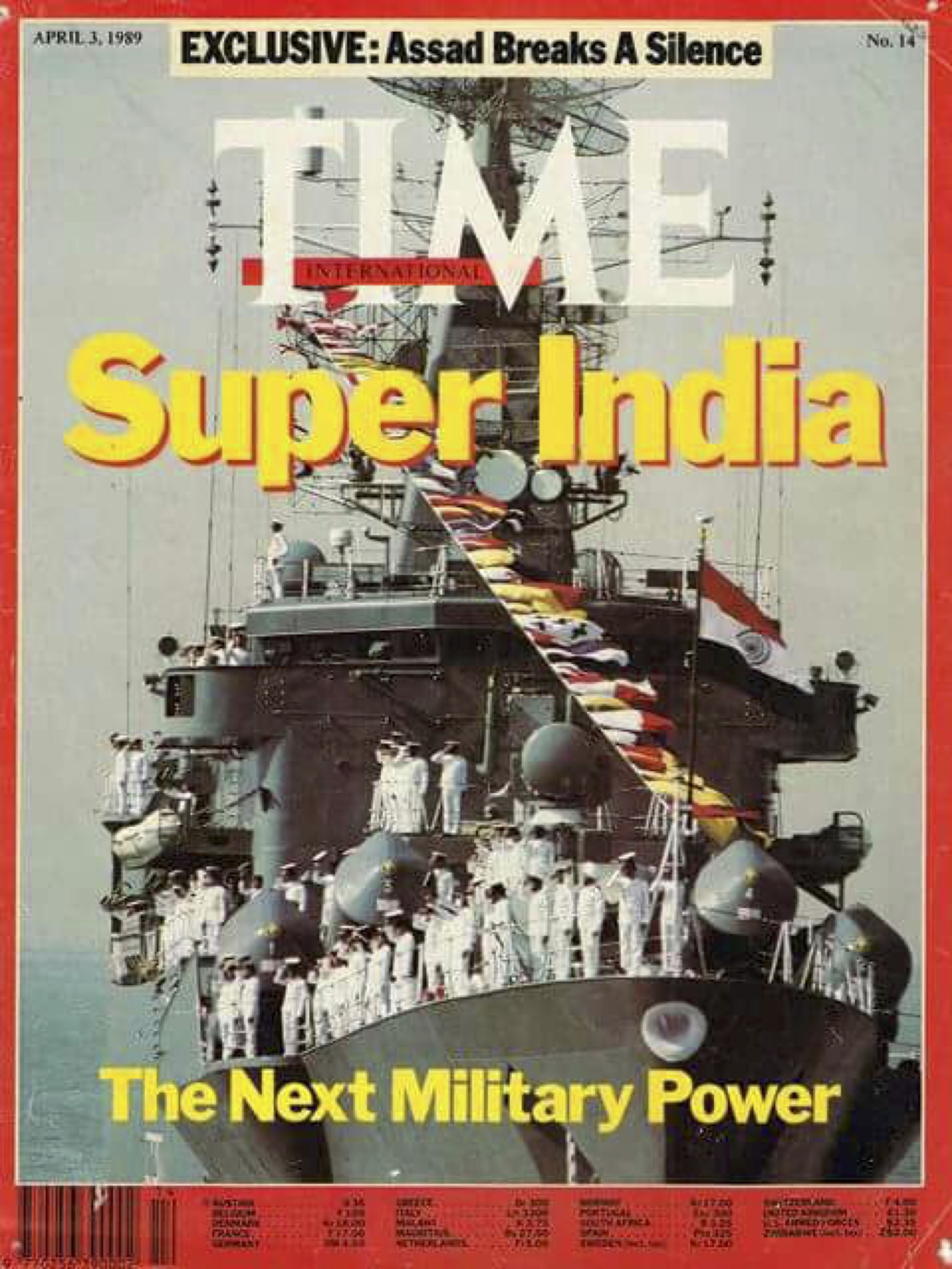
TIME Magazine CoverOperation Cactus underscores three fundamental issues: One, success of military operations depends on innumerable factors. Two, all such factors cannot possibly align favourably, always. Three, success favours those who dare and act regardless. Operation Cactus is the saga of men determined to achieve ends despite all odds. It proved the prowess of Indian military and diplomacy alike and showcased India as an emerging Regional Power.
Australia Day & Operation Cactus

An event in Australia influences an Indian military operation 200 years later…

Malé. November 3, 1988. A band of Sri Lanka based terrorists led by a Maldivian businessman, Abdullah Luthufe, attempted to overthrow President Maumoon Abdul Gayoom of the Maldives. The President went into hiding and flashed SOS messages to rescue him and restore peace in the island nation.

Operation Cactus was India’s gritty response to the Maldivian President’s call for militaryCactusTOI Cutting assistance. It is rated among the most daring military operations of the world––the likes of Operation Eiche (Rescue of Mussolini by German Paratroopers, 1943) and Operation Jonathan (the rescue of 104 hostages by the Israeli Commandos from Entebbe Airport, 1976). The diplomatic corps played a significant role in the success of the Operation. The President was rescued and Malé was secured. The Indian Navy chased the fleeing rebels and freed the hostages taken by them for bargaining later.
It is interesting how an event that took place miles away in Australia, 200 years ago, influenced one of the outcomes of Operation Cactus––the rescue of hostages (including a Maldivian Minister and his Swiss wife). Read on….

On January 26, 1788, a fleet of ships, carrying convicts from Britain, reached Australia. They were the first (foreign) settlers of the continent. Their landing at Sydney Harbour was a historical event. The anniversary of that day is celebrated each year with fervour as Australia Day. The Bicentenary of the official National Day of Australia was celebrated with even greater pomp and show through 1988. Indian Navy (IN) was among the navies of the world invited to participate in over a month long celebrations in October 1988. Indian Naval Ship (INS) Godavari was returning to India––the crew were undergoing customs clearance in Port Blair––when the first shots were fired in Malé.

The warship was directed to intercept the rogue ship (the hijacked vessel), MV Progress Light with the rebels and the hostages on board) on high seas before she could enter the Sri Lankan waters.

Rest is history.

Note: The author was on board the first IL-76 aircraft of the IAF that landed at Hulule on the fateful night of November 3/4, 1988.

The Maldives: Omen of Recovery

Operation Cactus: The Maldives, November 3, 1988.

The Indian Armed Forces had embarked on a seemingly impossible mission; a mission to rescue President Maumoon Abdul Gayoom who had been surrounded by armed men (cadres of People’s Liberation Organisation of Tamil Elam) led by a Maldivian businessmCactusTOI Cuttingan, Abdullah Luthufee. I was a part of the team that landed at Hulule airport to respond to the SOS call of the Maldivian President.

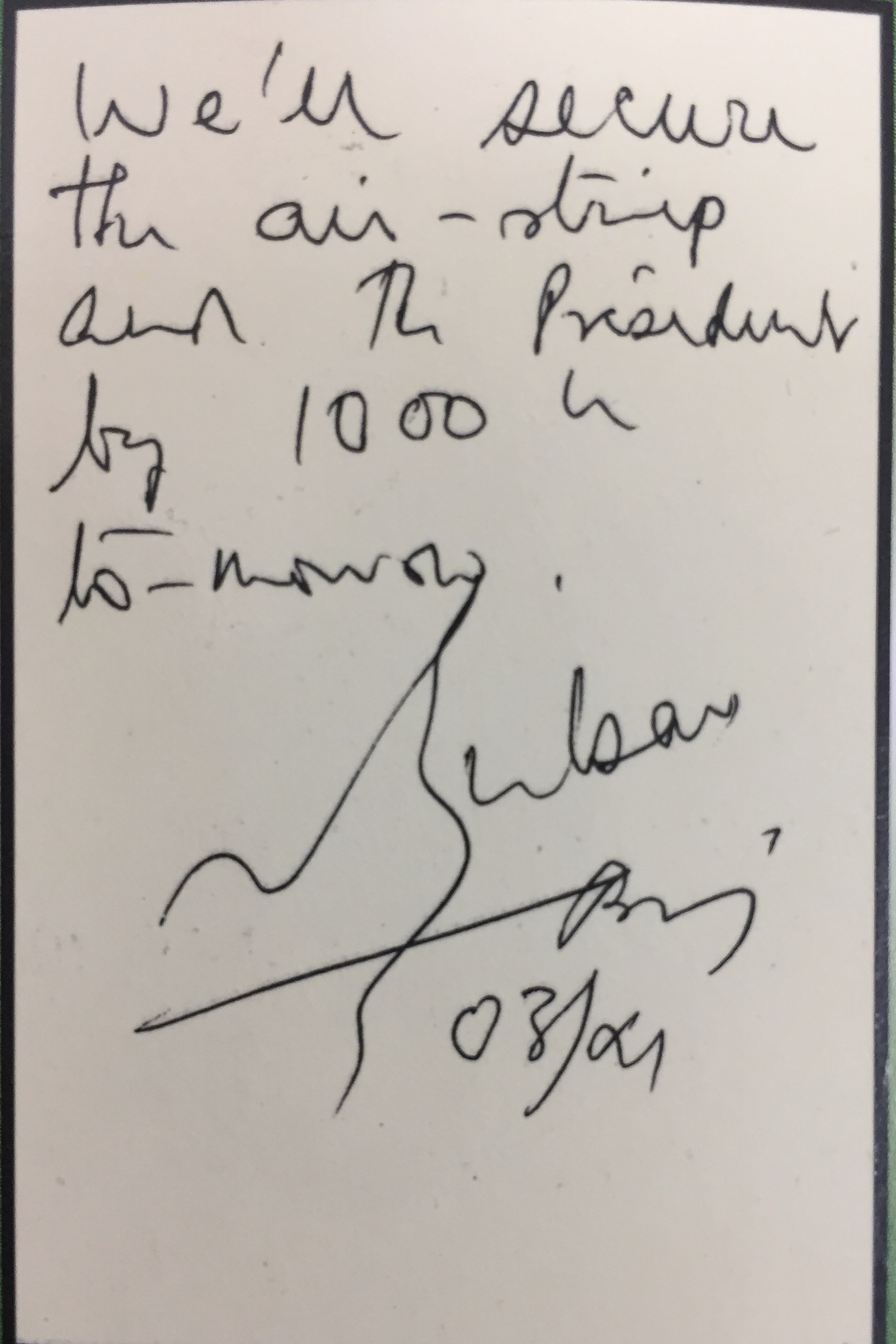
The notice was short; and there was practically no intelligence. The odds were loaded heavily against us. Most strategists would have forecast a failure, nay a debacle, when we took off from Agra. And, although people have compared Operation Cactus with the Charge of the Light Brigade, albeit with a pleasant end, the Indian Armed Forces did not sleepwalk into the Maldives that November night. It was a fairly well planned and methodically executed Operation within the time and resources IMG_4034 2available on that day. The risks were calculated and catered for. The spirits were high. A determined Brigadier FFC Bulsara wrote the following message for me hours before we landed at Hulule: “We’ll secure the airstrip and the President by 1000h tomorrow.”
In a very well coordinated operation involving the three Services and the diplomatic corps, the IAF airlanded the Paratroopers at Hulule who rescued the President. The Indian Navy chased the fleeing rebels and rescued the hostages on board the rogue ship. Among the hostages were a Maldivian minister and his Swiss wife. There was no casualty on our side.

IMG_4033 2A Maldivian National Security Service (NSS) officer, Major Mohammed Zahir wrote a note on my scribble pad. The note speaks about the Maldivian sentiment at that time: “Your Governments kind assistance is very much appreciated by our Force. National Security Service.” He also presented me a cap badge and a formation sign of the NSS as souvenir.IMG_4031 2
That was 30 years ago. Time and tide has eroded the gratefulness.

China has taken over and occupied islands on lease in return for the infrastructure it has created for the Maldivians. Like Sri Lanka, IMG_4030 2the country is heavily in debt. The population seems ignorant; the leadership has fallen into a trap from which it would be difficult to escape. Needless to say, Chinese gains have been at India’s cost. The pro-China sentiment is expressed in a hoarding which was put on the China-Maldives Friendship Bridge when it was under construction: “Waves are gifts from God. Bridge is a gigt from CHINA!”

Cactus Malé Hulule under construction Thanks ChinaIf the recent elections are to go by, democracy is still alive and kicking in the archipelago. Opposition candidate, Ibrahim Mohammed Salih has defeated the present (pro-China) incumbent, Abdullah Yameen. The former President, Mohammed Nasheed has recommended a review of the agreements with China. For India, this might turn out to be an omen of recovery of ties with the Maldives. It is an opportunity to put back the relations with the Maldives on firm footing.
It will be naïve, to say that replacement a pro-China president will lead to slipping of Beijing’s grip on the Maldives (as a newspaper headline suggests). Change of guard does not necessarily mean change of ideology or policies. At best India can start afresh, regaining the confidence of the Maldivians. India has many advantages (over the Chinese), including that of proximity to the Maldives. There is a lot that India can do to restore the strategic balance in the region.

Today is the day, now is the time!


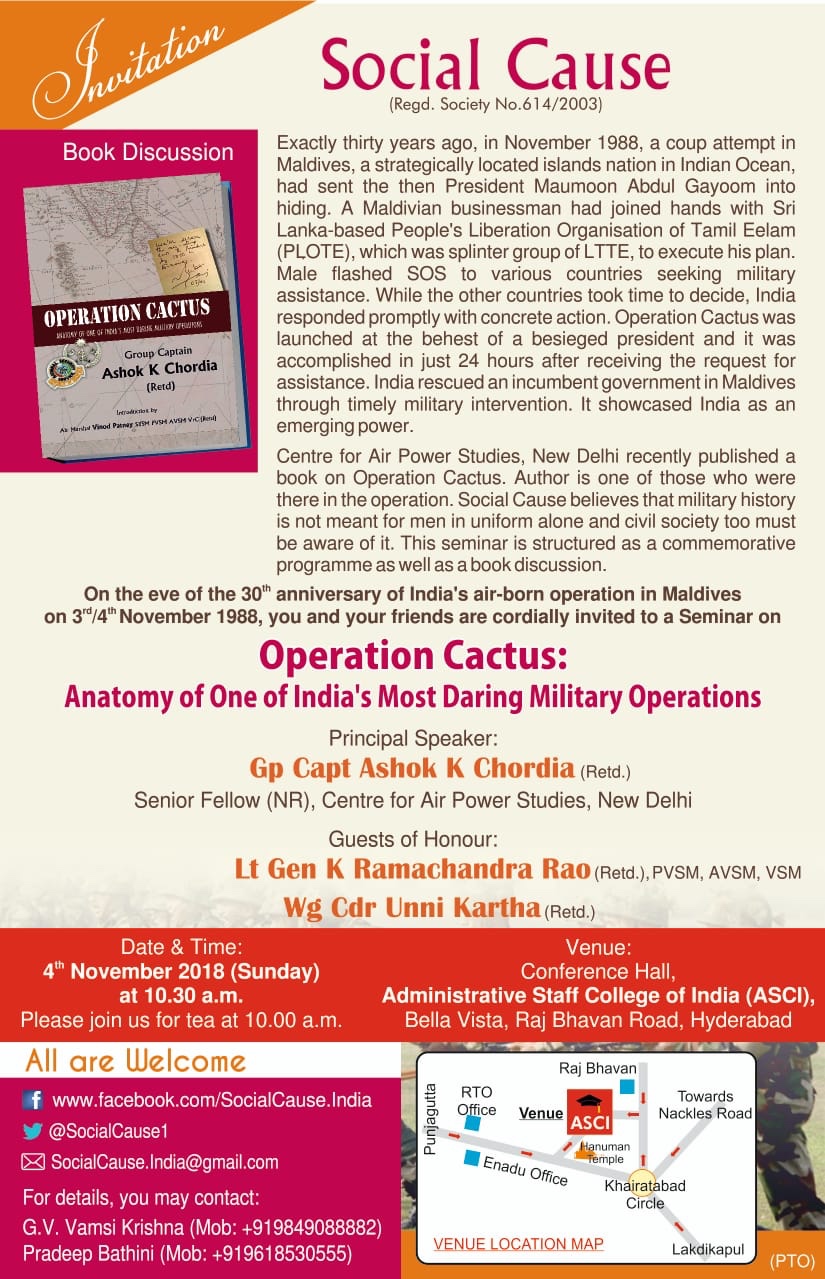
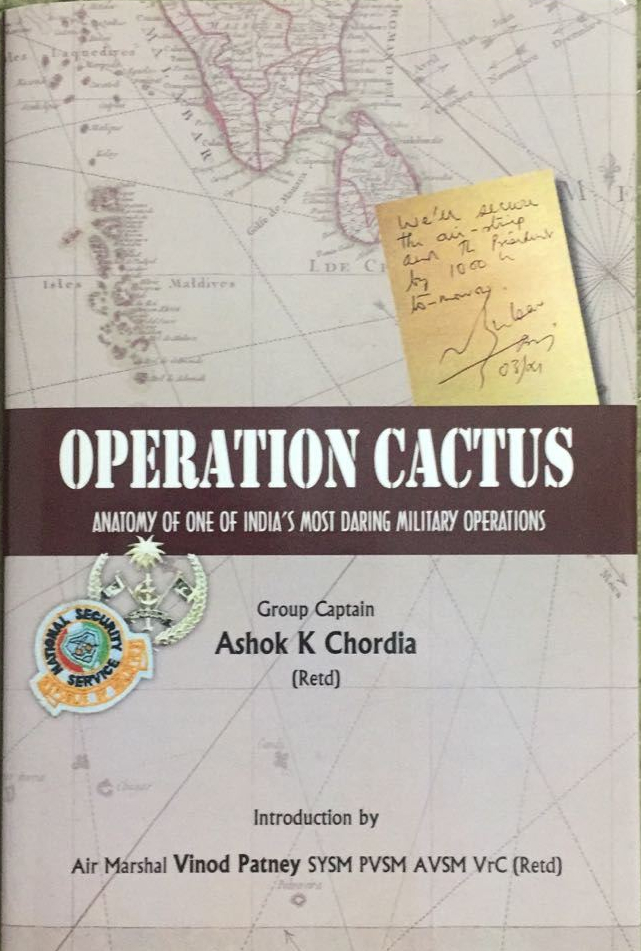
PHOTO-2017-11-30-06-01-45Author’s Note: “Operation Cactus: Anatomy of One of India’s Most Daring Military Operations” (Group Captain Ashok K Chordia, Knowledge World, New Delhi, 2018) is a seminal study of the operation launched by Prime Minister Rajiv Gandhi to rescue President MA Gayoom of the Maldives (November 1988). The book is based on recollections of the protagonists and official unit records and histories.