
“Out of the blue, into the tree,” is the Hindi equivalent of: “Out of the frying pan, into the fire.” That is exactly what happened to me (the Hindi one) when I parachuted through the clear blue Goa sky on a fine January day in 1986.
It was a skydiving demonstration as a part of the Silver Jubilee Celebrations of the Liberation of Goa. I was in charge and leading a team of skydivers. The forecast winds were way beyond the performance characteristics of the parachute we were using, and the capabilities of the jumpers, to counter. Prudence demanded that I called off the demonstration jump. But then, the thought that organisers and the spectators would be disappointed impelled me to give it a try.
To our good luck, the winds died down absolutely by the time our helicopter came overhead to commence the drop. Flight Lieutenant Thapar from the ground control transmitted the position of the streamer (a piece of cloth that has the descent characteristics of a parachute) that I had dropped to judge the actual winds. The position of the streamer also confirmed gentle winds. It was safe to jump.
It was a clear blue sky and fine weather for a parachute jump but my mind was still clouded by the forecast of very strong winds. So, I decided to err on the positive side. I signalled thumbs up to the jumpers (to jump out) much upwind of the sports ground––where we were to land in front of the spectators––hoping that the winds would help them drift and make it to the target on the ground.
It was a mistake. Jumpers could barely make it to the sports ground––a few landed in the front of the spectators others landed scattered outside the ground. I was the farthest from the landing area. Tall trees welcomed me as I approached mother earth. Despite my best efforts to avoid them, I landed in a big one. My fall through the tree broke several branches before the suspension lines of my parachute got stuck and I was jolted to a stop. It was an uneasy feeling dangling ten feet above the ground.
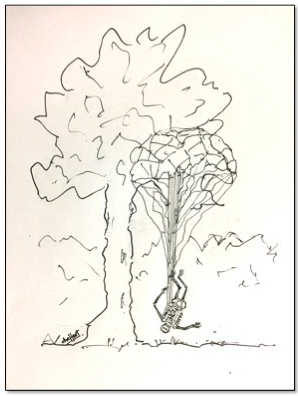
In the time I took to take stock of the situation, several thoughts flashed past my mind. The worst recall was that of the vivid account of a radio operator who had bailed out of a disabled aircraft over the thick forests of Burma during the Second World War. In a similar situation i.e., hanging from a tree, he was attacked by giant red ants. He tried to cut free of his parachute harness by shooting at its webbing with his service weapon. He shot himself with the last bullet when he failed to come out of the situation and the nuisance of the ants became unbearable. His skeleton was found hanging upside down in the parachute harness when the search and rescue team found him several moths later.
It was a silly recall. I was in a much better situation, less than half a kilometre from the ground. People would soon come looking for me. In any case, I did not wait for them. I followed the standard drill: I whipped open my reserve parachute and lowered it to the ground; carefully unfastened my parachute harness and slithered down to safety. Recovering the parachute was an arduous task.
That parachute jump in Goa is one of my most memorable ones for all the wrong reasons.
Other Parachuting Stories
Tipping the Fear of the Unknown… the very first jump
Jumping… definitely not to conclusion… what if the parachute fails to open.
Mission First… will do everything for a jump.
Stoic Valour… when a jumper trailed behind a flying aircraft.
 ever they cropped up, to the nearest waste bin at the first opportunity. We devised a pleasant way of weeding out undesirable moments before they could take roots. On rarest-of-the-rare days when we had higher-than-usual-decibel conversation, we clinked our crystal goblets and flushed down evil thoughts with a sip of fresh water. That ensured a clean slate and no baggage to carry on life’s journey.
 “Sir, he has scored 94 per cent marks. He just doesn’t read. If he studies properly, he can get more marks. He wants to do engineering. Why don’t you advise him, please?”




 away on the other side of the road. Several cars passed her before I reached her. There was light traffic on the Barapullah Elevated Road that day.
 The Brahmastra has been launched. Now, frantic effort is ON to decide as to who or what should be the target. The effort is to ensure that the missile hits a target (anything that could be labelled as a target) before it runs out of propellant. And it must happen before the Lok Sabha elections scheduled next year.
 of hours in fighter aircraft. He is the one who flew solo in a MiG-21 aircraft soon after taking over as the Chief displaying rare and exemplary military leadership!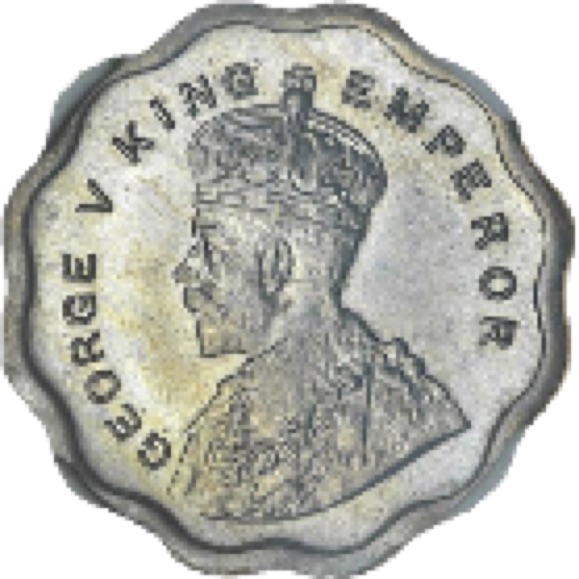
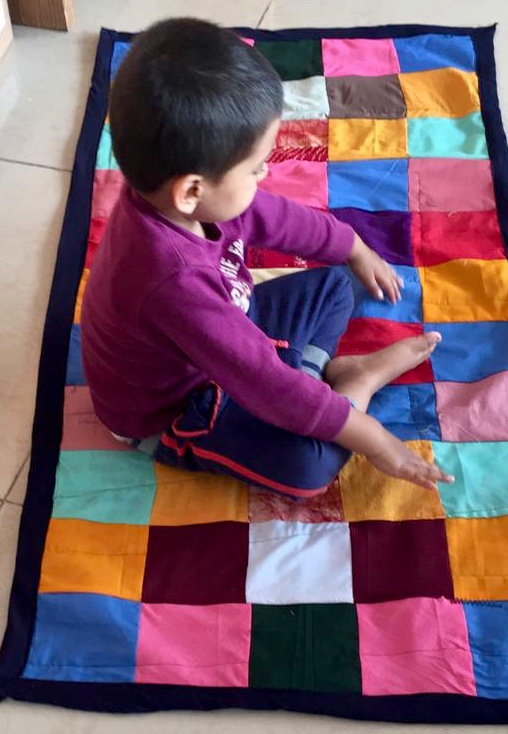 Kartik feels victorious when he is able, not only to point, but also count the squares of a particular colour. Sitting in Padmasan, the Lotus Posture on the same mat and performing some other actions form a package deal of challenges, which he enjoys accepting.
 “Beta, it is difficult. Do you think you can really do it?” She made the exercise of whipping the curd sound like a highly technical job.
 “Small bets make you fight; they get the best out of you.” That suggestion from a fellow golfer had appealed to me and I had got into what I thought was competitive golf. The bet used to be modest: breakfast on the loser, or meagre amounts that would be barely enough to pay the caddie. Howsoever small those amounts were, there used to be a great charm in winning. If nothing, honour used to be at stake. No wonder, the hundred-rupee note that I won for hitting an Eagle on the seventh hole, signed by the fellow golfers (those days scribbling on currency notes was not considered an offence) became a trophy of sorts for me.