
Will the man in the street of Malé be able to bear the outcome of the spat between India and the Maldives?

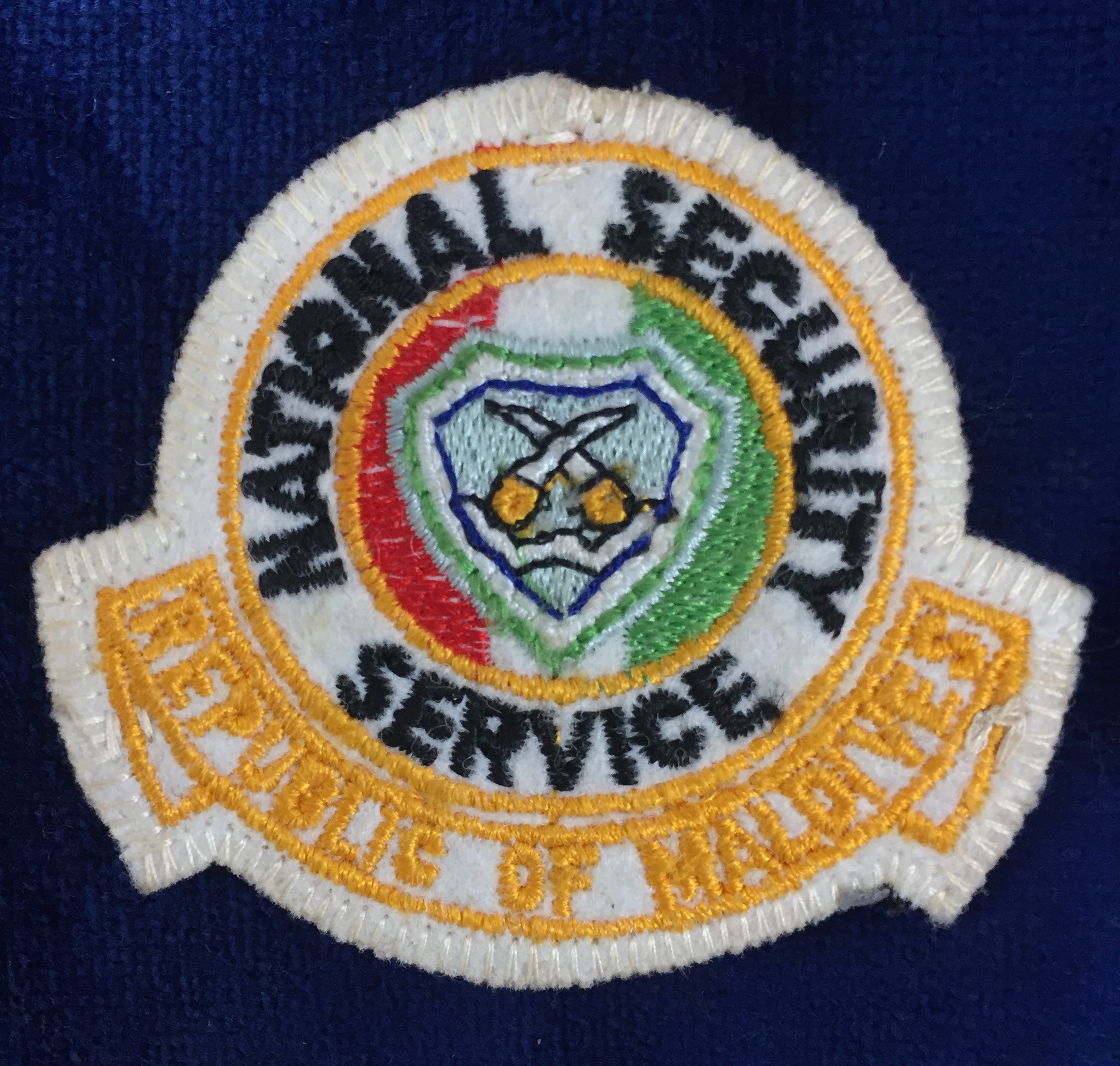
The one, and the only time I have ever been to the Maldives was without a passport, visa or an air ticket. Yet there was a red-carpet welcome. The Maldivians, their Government and their President in particular, were thankful for that visit of ours. In a handwritten note which he gave me, a senior military officer had expressed the sentiment: “Your Governments kind assistance is very much appreciated by our Force. National Security Service.” Signed Major Mohamed Zahir 4/11/88. He also presented me a cap badge and a formation sign of the NSS as souvenirs. “Do come over again in better times,” he had said, extending an invitation to me to the island nation. Perhaps that generous offer from a grateful Maldivian has become time-barred.


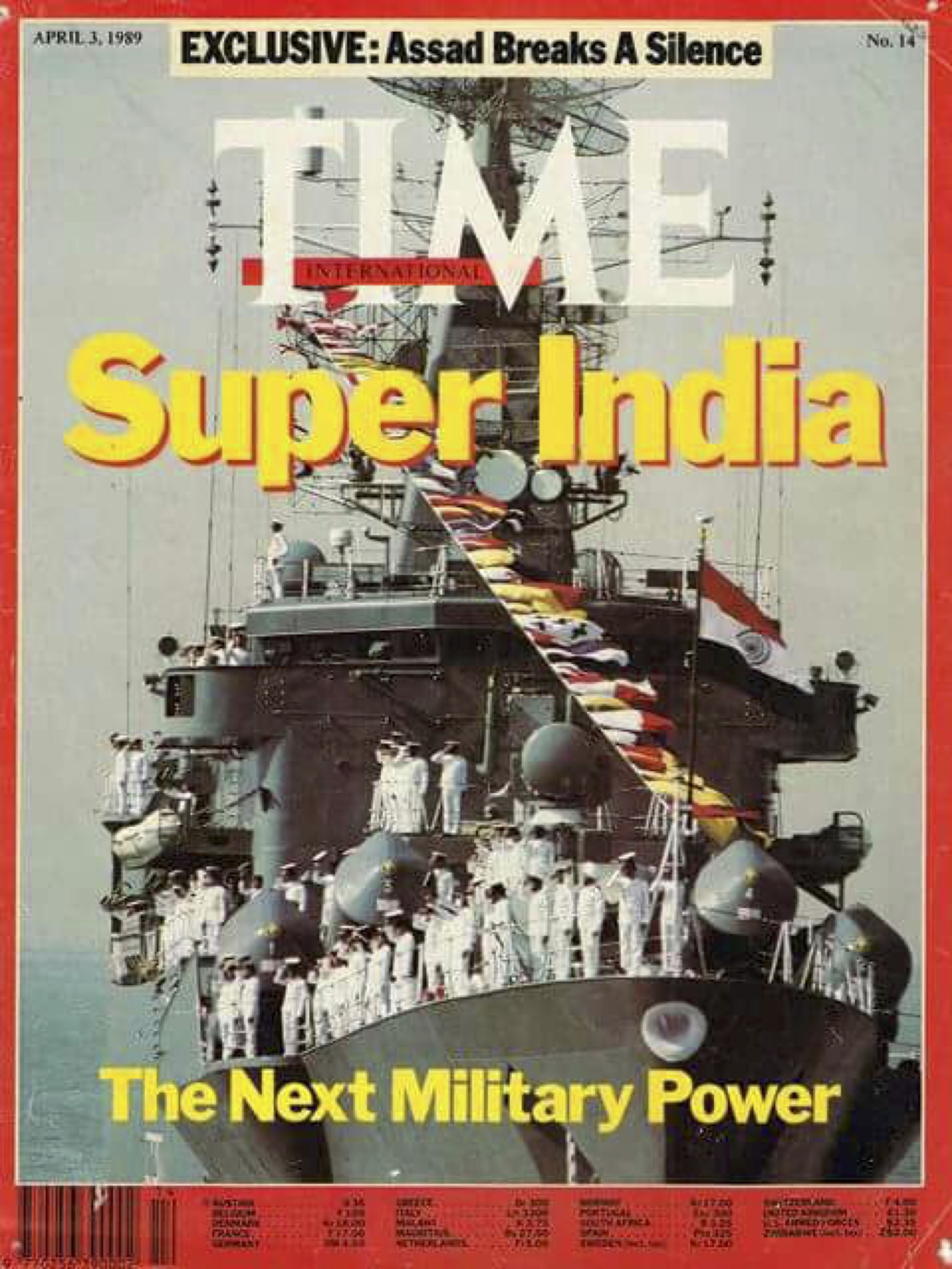
That was in November 1988—the Indian Armed Forces had provided succour to the then Government of Mr MA Gayoom in the midst of an attempted coup. The IAF had airlifted the paratroopers from Agra to Malé (2600km away); the paratroopers had rescued the President and restored calm. The Indian Navy had rounded up the fleeing rebels.

Much bloodshed was avoided; the medics of the Indian Army had taken over the Central Hospital to provide care to the wounded. The authorities had fallen short of words to appreciate the gesture (read the letter). The Indian troops remained in the Maldives for six months providing security cover and training the Maldivian forces.
And that was nearly 35 years ago.

Time, tide and China have caused the erosion of the relationship that had been built on mutual trust and cooperation over the intervening decades. In the Maldives of President Mohamed Moizzu, the presence of an Indian helicopter and a handful of men—stationed to provide assistance to the Maldivians with the explicit understanding with the previous governments—is no longer acceptable. The manner in which it has been put forth by the man speaks volumes about his standing as the President of a sovereign country. Mind his body language and that of the Al Jazeera anchor during his recent interview to the television channel. The President is sitting up like a schoolboy answering the anchor who is leaning back, cross legged and pointing a pencil at him like a teacher. During their interaction, he appeared fidgety as if he were under instructions from his bosses to tow a particular line.
For sure, minds in Delhi will be working overtime to establish how things have come to such a pass, and more importantly, how to turn the tide. At the same time, the leaderships in Beijing and Malé must be looking forward to extracting the maximum they can from their present bonhomie. The people of Maldives will feel the effect of the Chinese bear hug sooner than later. It’ll be myopic on their part to ignore the outcome of Beijing’s largesse to Pakistan and Sri Lanka, and the result of China’s benevolence in Africa and South America.
Knowing the sentimental Indian, it wouldn’t be long before the ripples caused by #EXPLOREINDIANISLANDS and #boycottmaldives turn into waves. And, it shouldn’t be surprising if those waves turn into a tidal waves and then, into a tsunami that takes a small toll on Maldivian Tourism. As it appears, many have already reworked their plans (changed the destination from the Maldives to the Lakshadweep). A more likely and significant positive spinoff of the spat triggered by the unsavoury comment of a Maldivian politician (on Prime Minister Modi’s call to make Indian islands a tourist destination) would be an improvement in the facilities that our islands provide.

With a few Bollywood celebs echoing the anti-Maldives sentiment, investors might reconsider their plans of shooting their films on locales in the Maldives. A few cancellations will be enough for the Maldivians to feel the heat. Not long ago, I had advised my friends working on two of my stories—one inspired by Operation Cactus, and the other, based on a life changing event in the life of a military veteran—to plan shooting in the Lakshadweep rather than the Maldives. Although those suggestions were purely to keep the costs down, the present euphoria is nudging the decision further in this direction.
In the foreseeable future, Maldivians are less likely to give up visiting India for medical care or enrolling in Indian educational institutions or for other reasons. Visiting India is a need for the Maldivians.
A dispassionate cost benefit analysis of the current spat might show a little gain (or at least, NO LOSS) for India in the near future. The long-term tangible and intangible losses for the Maldives might be unbearable. Needless to say, the islands leased by the Maldives to Beijing have been a thorn in India’s side. Interestingly, the wisdom of an old Hindi proverb boils down to: “Use a thorn to take out a thorn.”
A dragon doesn’t have a soft belly. But it shouldn’t be impossible to find some delicate spots to insert a few needles to relieve the pain in India’s side. I am sure Jay (read Jai, if you will) is at it.
[Note: As I post this article, news of suspension of three Maldivian Ministers for their derogatory remarks against Prime Minister Narendra Modi, is making headlines. Will this action by President Mohamed Moizzu, stop the impending tsunami? Let’s wait and watch.]
Now read… “Malé will sink!”
Related Posts
Operation Cactus: The Indians did not sleepwalk into the Maldives!
Remembering Operation Cactus: (The Maldives, November 3, 1988)
Australia Day & Operation Cactus
Jay, Veeru and India China Relations
Dealing with the Darned Dragon: Preface
Dealing with the Darned Dragon-I: Border Infrastructure
Dealing with the Darned Dragon-II: Escape Hatch
Dealing with the Darned Dragon-III: A Lesson from Pearl Harbour
Dealing with the Darned Dragon-IV: Exercising (with) the Nuclear Option
 Operation Cactus underscores three fundamental issues: One, success of military operations depends on innumerable factors. Two, all such factors cannot possibly align favourably, always. Three, success favours those who dare and act regardless. Operation Cactus is the saga of men determined to achieve ends despite all odds. It proved the prowess of Indian military and diplomacy alike and showcased India as an emerging Regional Power.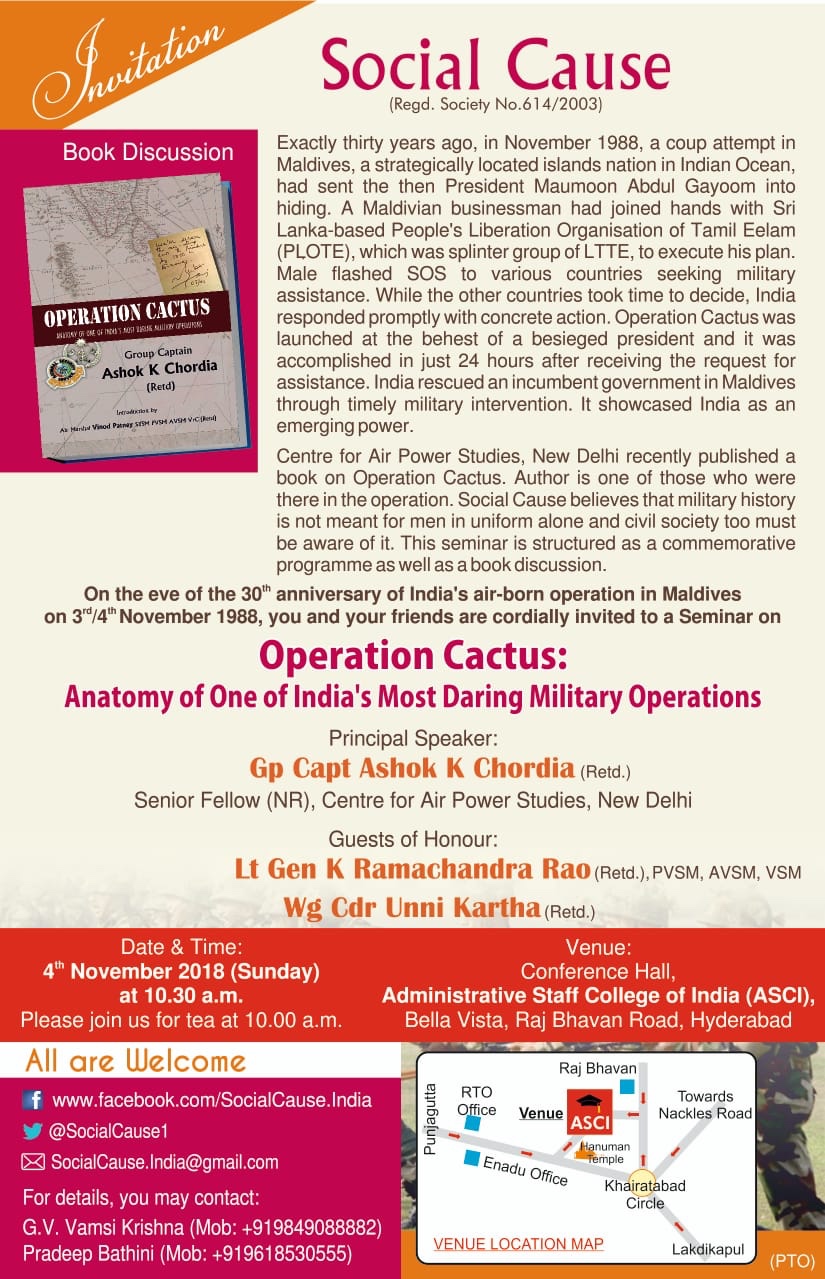
 assistance. It is rated among the most daring military operations of the world––the likes of Operation Eiche (Rescue of Mussolini by German Paratroopers, 1943) and Operation Jonathan (the rescue of 104 hostages by the Israeli Commandos from Entebbe Airport, 1976). The diplomatic corps played a significant role in the success of the Operation. The President was rescued and Malé was secured. The Indian Navy chased the fleeing rebels and freed the hostages taken by them for bargaining later.
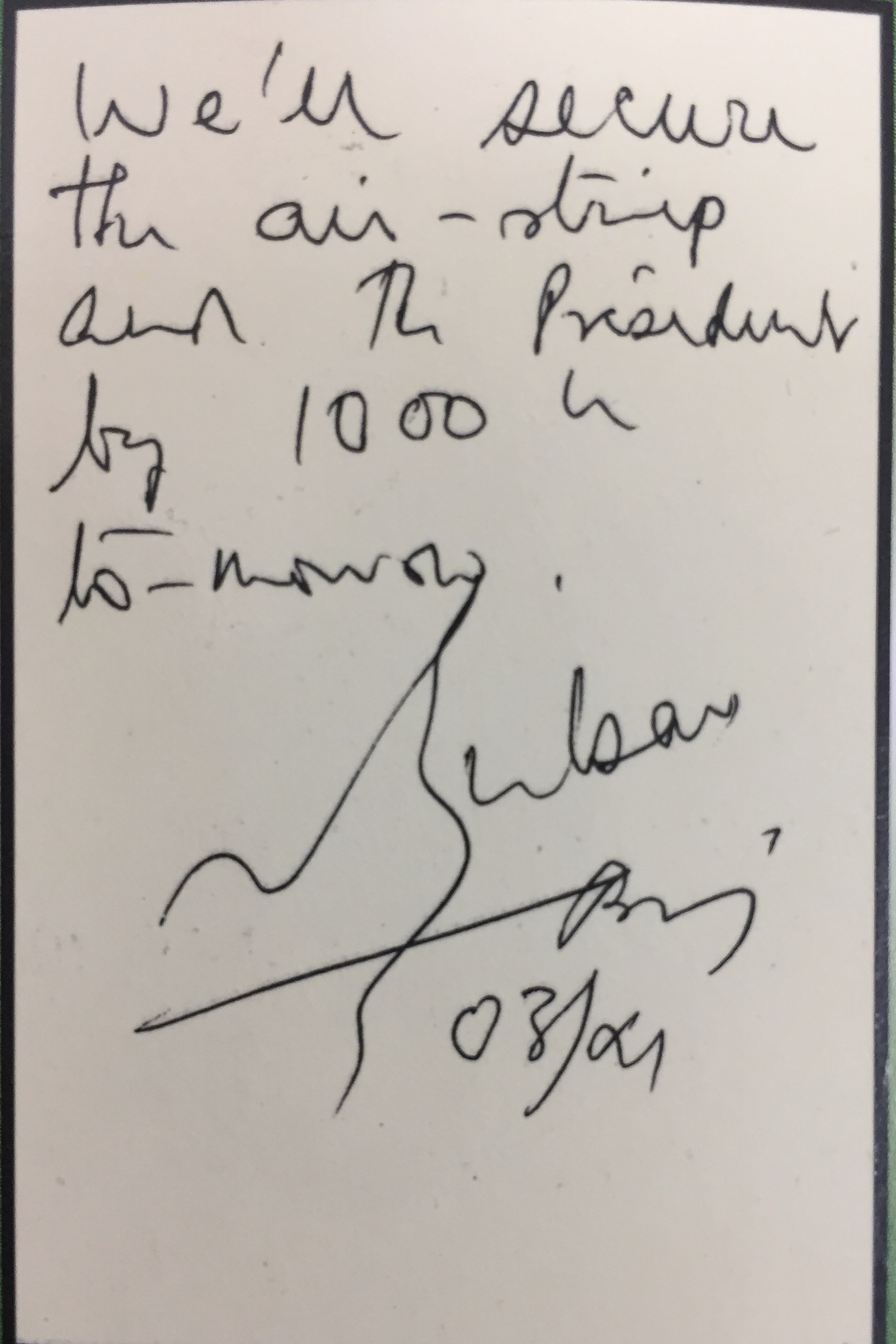 available on that day. The risks were calculated and catered for. The spirits were high. A determined Brigadier FFC Bulsara wrote the following message for me hours before we landed at Hulule: “We’ll secure the airstrip and the President by 1000h tomorrow.”
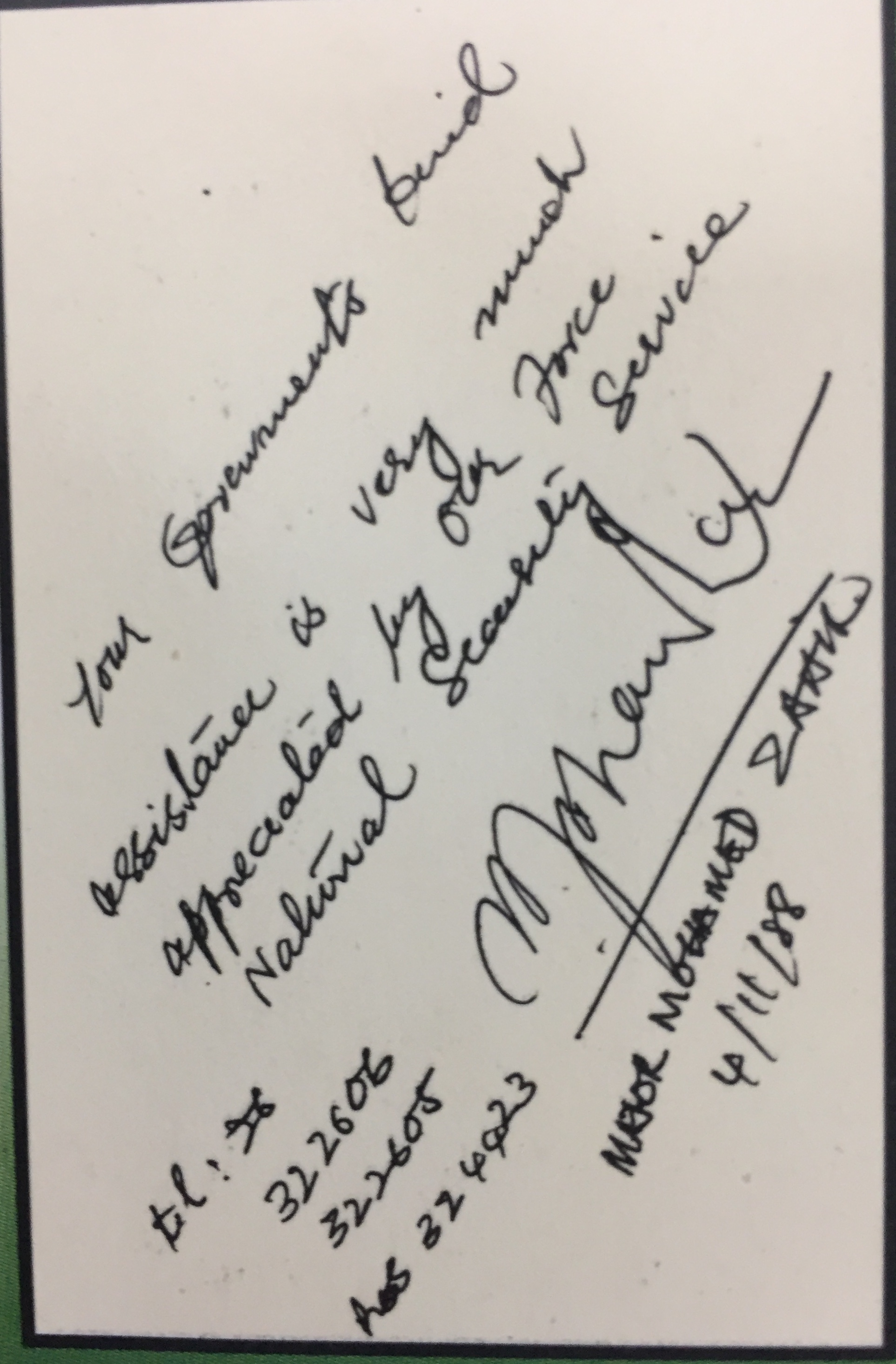 A Maldivian National Security Service (NSS) officer, Major Mohammed Zahir wrote a note on my scribble pad. The note speaks about the Maldivian sentiment at that time: “Your Governments kind assistance is very much appreciated by our Force. National Security Service.” He also presented me a cap badge and a formation sign of the NSS as souvenir.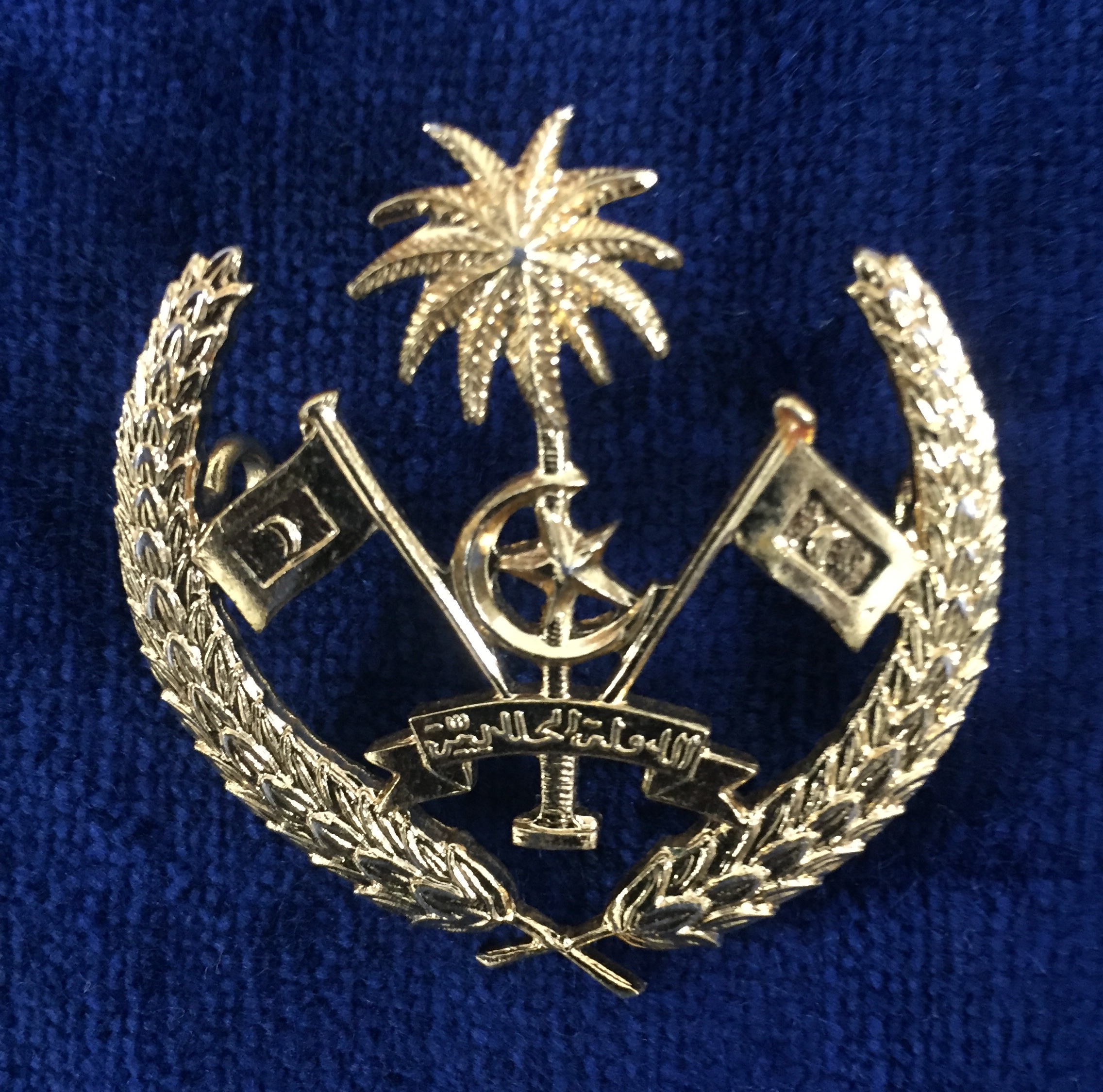
 the country is heavily in debt. The population seems ignorant; the leadership has fallen into a trap from which it would be difficult to escape. Needless to say, Chinese gains have been at India’s cost. The pro-China sentiment is expressed in a hoarding which was put on the China-Maldives Friendship Bridge when it was under construction: “Waves are gifts from God. Bridge is a gigt from CHINA!”
 If the recent elections are to go by, democracy is still alive and kicking in the archipelago. Opposition candidate, Ibrahim Mohammed Salih has defeated the present (pro-China) incumbent, Abdullah Yameen. The former President, Mohammed Nasheed has recommended a review of the agreements with China. For India, this might turn out to be an omen of recovery of ties with the Maldives. It is an opportunity to put back the relations with the Maldives on firm footing.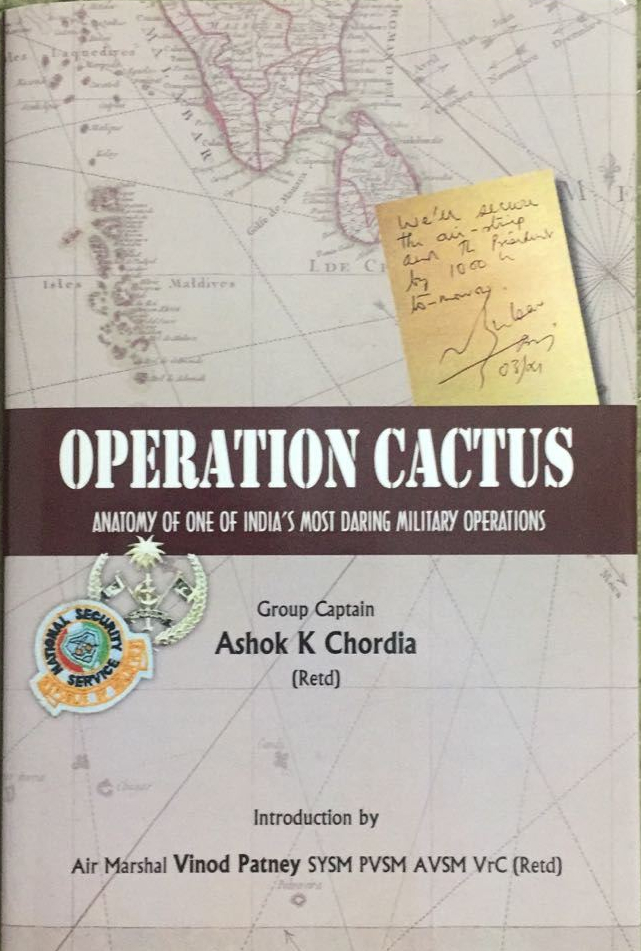
 Road Much Travelled