Now, this not that time of the day when I am usually engrossed in intellectual discussions with friends after downing a few Paul Johns, or Old Monks, or some wine — or a “Green ON! Go!” for that matter. That I saw God is not a figment of my imagination after a few drinks. It really happened.
Before I proceed, a word about God, godliness, and my stand on that subject.
I am neither an atheist nor a believer. But, sometimes I do flaunt Rudraksh beads; I feel they go well with my baldness and round-rimmed glasses. Occasionally, I also apply chandan (sandalwood paste) on my forehead; it is so soothing. The beads and the chandanka tika—together, they give me a rather cool, saintly look. That is my belief. But my dear wife urges me to discard them. “This kind of symbolism is meaningless; be a good human being and people will see God in you,” she says admonishingly, so I give up the pretence.
With or without saintliness and godliness, life goes on.
Yet, sometimes in this God’s Own Country, I wonder if HE/SHE (THEY) really exist. What do THEY look like? Multiple heads and arms? Riding a tiger, a mouse, an elephant, or a swan? I got my answer when I visited Ranthambore recently.
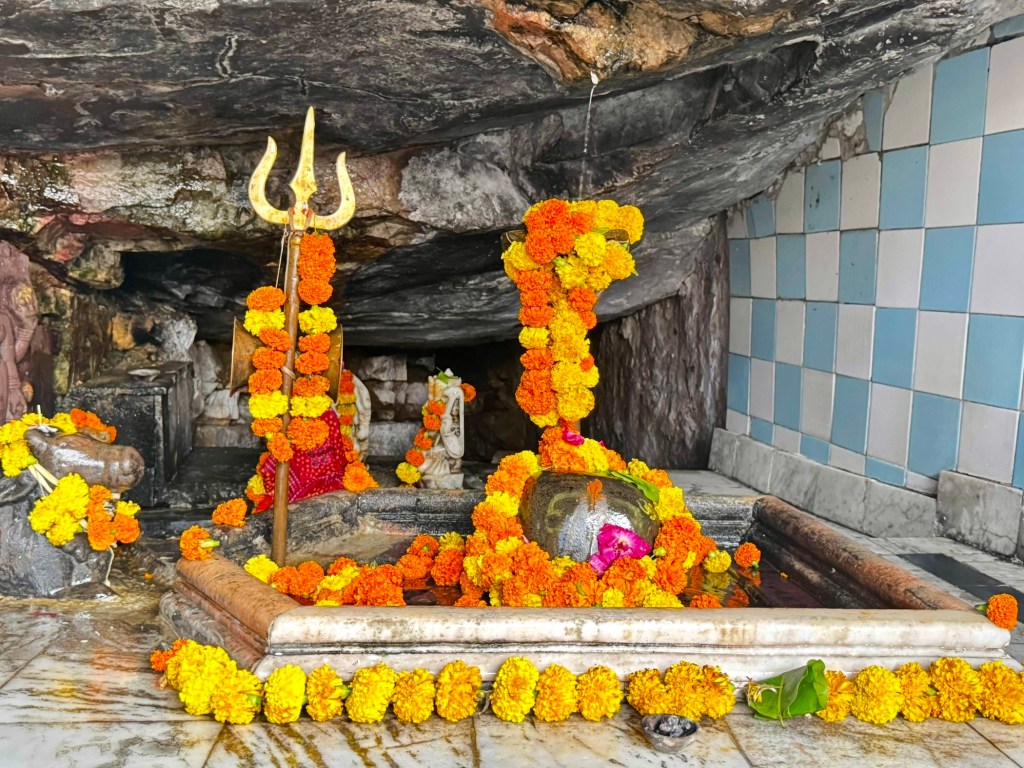
It was a family holiday—nearly twenty of us. The night before, at Juna Mahal (the resort), we had great time — star-gazing, folk songs and music and local cuisine. We were all set to embark on a tiger safari the next afternoon. Since the morning was free, some of us decided to visit the Amareshwar Mahadev Temple nearby. Each one on board had an agenda to be met at the temple. I guess most were going there to seek “special” blessings. As for me, I was eager to discover the physics behind the perpetual trickle of water falling on the Shivling in that small temple carved inside a rock—a cave of sorts; Lord Shiva’s blessings would be a bonus.
It was mandatory to leave the cars at a gate about two kilometres from the temple. A jeep meant to ferry visitors, took us to the foot of the hill on which the temple was situated. Thereafter, it was about a kilometre and a half of gentle climb through rocky terrain. We were warned to remain in a group, as tigers had been spotted in the area in the past.
Amareshwar Mahadev
I belong to Ujjain, known for its temples—Mahakaleshwar, in particular. When I realised that, like the Mahakaleshwar Temple, the Amareshwar Mahadev Temple is dedicated to Lord Shiva, I began looking for similarities, which were aplenty—such as, the Shivling and a small water tank for people to take a dip. But there was a striking difference that caught my eye. The 1.5 km walkway to the temple was clean beyond imagination. This was in sharp contrast to the litter one sees around Mahakaleshwar and other temples. I attributed the exceptional cleanliness to the relatively (much) lower footfall at that site, and concluded the dialogue within.
The temple surroundings were clean too. And ah, the serenity! It was a cherished world far from the humdrum of where each one of us had come from—Noida, in my case. One had to prostrate oneself to get a close darshan of the Shivling. The constantly trickling thin stream of water from the rocks above the Shivling evoked reverence and amazement. It had been dripping for many years. We spent a blissful half hour at the temple before heading back. The return trek was uneventful yet fun.
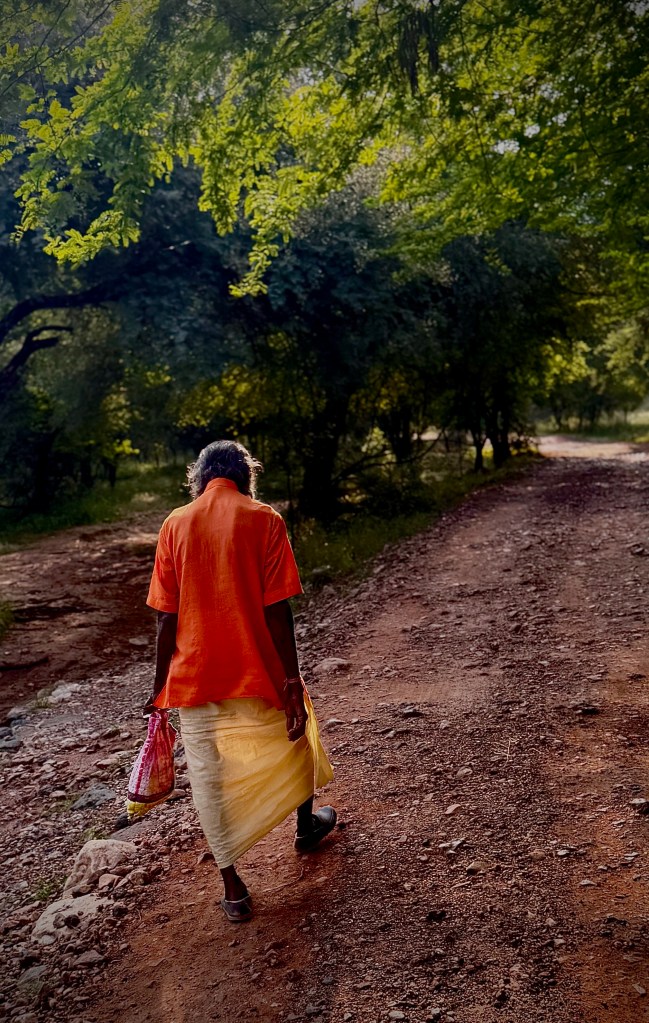
While driving back in the rickety jeep, we crossed a man dressed in a saffron half-kurta and a white dhoti. With long hair, a beard, and a cloth bag dangling from his hand, he looked like a typical sadhu. I thought he was one of the caretakers on his way to the temple.
Ganesh, the living god…
“This old man is walking alone to the temple. Isn’t he afraid of the tigers?” I asked the driver of our jeep out of sheer curiosity.
I listened in disbelief to what the driver told us about the man. “That man in saffron is Ganesh. He is the son of one Ramchandra Verma and lives in a nearby village. He has been walking to the temple and back every day for the last forty years. On his way up and down, he collects litter thrown around by devotees. We owe the cleanliness of this place to this one man. He does it selflessly, and with devotion; doesn’t charge a paisa. He lives on whatever he earns by tilling his small piece of land.”
When I turned back, I saw the man in the distance, a halo around him—the kind we see in pictures of gods and saints. I had no doubt; I had caught a glimpse of a living GOD.
Postscript
No regret that we didn’t spot a tiger that day.
Last week, when I got an opportunity to visit Ranthambore again, I grabbed it with both hands. While another tiger safari was the loudly proclaimed agenda, somewhere at the back of my mind was a strong desire to cross paths with the same god. Sadly, this time I missed both—the tiger and the god.
If, and when, I revisit Ranthambore, it will be with the primary motive of meeting Ganesh — all else, will be secondary.
On June 12, 2025, tragedy struck. Air India Flight AI 171, en route to London Gatwick, crashed seconds after take-off from Sardar Vallabhbhai Patel International Airport, Ahmedabad. The accident claimed the lives of 241 people on board—passengers and crew—and 19 individuals on the ground.
In the hours and days that followed, television screens lit up with expert analyses and heated debates. While some insights were valuable, much of it merely served to feed anxiety, both among seasoned travellers and the general public.
The Ripple Effect of a Crash
When such mishaps occur, they set off a domino effect across the aviation ecosystem. Authorities tighten checks and airlines enforce stricter adherence to procedures. In the days following the AI 171 crash, many flights were delayed, diverted, or even cancelled. Recent helicopter incidents only compounded the public’s growing unease.
These reactions are not just procedural—they are deeply psychological. Fear travels faster than airplanes.
Passenger Profiles
Following aviation accidents, travellers often fall into three categories:
The Stoics – the que sera sera kind. They acknowledge the incident, mourn the loss, and continue flying without visible hesitation.
The Escapists – those who vow never to board a flight again, unless absolutely necessary.
The Unsure – the ones caught in limbo, unsure whether to continue flying or retreat into fear.
A Peep into Passenger Psyches
Take for example July 4, 2025 Indigo Flight 6E 2258 from Delhi to Lucknow. It was delayed by over two hours due to a navigation system snag. As technicians worked to fix the issue, several passengers chose to disembark. Some left because their schedules were disrupted. Others simply couldn’t shake off their anxiety. Among them was a professor—perhaps someone who lectures on resilience. In contrast, an 85-year-old woman, bound for Ayodhya, stayed calm for a while—until she began chanting the Hanuman Chalisa, seeking comfort through faith.
Stories That Defy Logic
Aviation history is filled with eerie tales of missed flights and miraculous survivals.
In the early 1980s, a military Packet aircraft crashed during take-off in Agra, claiming the lives of 45 paratroopers, instructors, and crew. Squadron Leader (later AVM) D.K. Dhingra survived because he was held up in his office by a telephone call. Some others, too, missed the flight due to last-minute changes. Fate intervened.
Even in the case of AI 171, one man survived—Ramesh Viswash Kumar. He managed to walk away from the wreckage. Was it luck, chance, or destiny? It’s hard to say—but such stories shape the way we think about survival.
Air Warriors show the Way Aircraft incidents and accidents are a part of life in the Air Force; a professional hazard. Sitting in my office in Tezpur, I had once seen two pilots punch out (eject) of a flamed out MiG aircraft seconds after take-off. It is customary for all the pilots of a unit to take to air immediately (as soon as possible) after a serious accident (unless there are strong reasons to ground the entire fleet) to keep up the spirit. Likewise, a mass jump follows a parachute accident. There is no scope for fear to set in.
A Lesson in Acceptance
A classic parable might help those grappling with post-crash anxiety:
A slave once ran to his master in Cairo, trembling with fear. “Master,” he cried, “I saw Death today in the market. She stared at me and asked, ‘What are you doing here?’ I fear she has come for me. Please, I beg you, help me escape!”
The master gave him his finest horse and advised him to flee to Basra.
Later that evening, the master encountered Death and asked, “Why did you frighten my servant?”
Death replied calmly, “I was only surprised to see him in Cairo. You see, I have an appointment with him next week—in Basra.”
Sometimes, what we fear and try to avoid might be the very path we are destined to take. This isn’t to say we should be fatalistic—but it helps to recognize that some things lie beyond our control.
Trust, Caution, and Collective Responsibility
Aviation remains one of the safest modes of travel. Pilots are rigorously trained, technicians are meticulous, and air traffic controllers are highly competent professionals. Accidents, though tragic, are rare. They lead to introspection, investigation, and improvements in safety protocols.
As passengers, we can also contribute:
Avoid carrying unaccounted or suspicious baggage.
Follow crew instructions diligently.
Switch off mobile devices when requested.
Stay calm and respectful, even during delays or checks.
Let’s remember: behind every flight are thousands of hours of effort, layers of safety checks, and dedicated human beings who care about getting us safely to our destination.
Let’s fly safe. Fly wise. And above all—fly without fear.
The Mesopotamian had changed my outlook towards people and life. In the month following my exchange with him, I met people with a mind emptied of all old stories.
Just another cabbie
The first person I met thereafter was (also) a cab driver of Arab descent; he was as pleased with life as the Mesopotamian. Then, I came across an educated Somali taxi driver who played soothing Somali songs on the car stereo and hummed along. He even explained the song themes to me. Next was a Swede of Nordic ancestry, who remained silent, mostly; smiled, only when he responded to my queries about Sweden. Then there was a Palestinian, a part of whose name was synonymous with holy war. Hanging from the rear-view mirror of his cab were Palestinian colours. On a green cloth cover draping the head-rest of the driver’s seat was printed matter in Arabic which Google translated for me as: “The Green Giant.” Maybe it had something to do with consciousness about the environment. In passing, he expressed sorrow for what was happening in Gaza and sympathised with his brethren he had left behind to fend for themselves.
For good reason, I had started believing in the metamorphosis I had undergone. I even goaded myself to a greatness which is the result of looking at, and treating all people as equal beings. But, poof! It took just another interaction to lay bare how superficial and reversible the change was.
That day, we—my son, Mudit; daughter-in-law, Anjali; granddaughter, Maya and I—were returning late from an outing. Sleep deprivation was making the little one restless. So, we chose to take a cab home instead of a tram. We booked one and waited for it.
On arrival, the cabbie conveyed curtly that it was mandatory to use a baby seat for the toddler. He added that he had one, and he’d would charge us SEK 100 in addition to the fare which was SEK 160. Although I felt he was charging an unfairly high amount for the baby’s seat, we agreed to pay and quickly settled into the cab. I, as usual occupied the front seat, and the rest, filled the rear seats.
“Hum kitni der mein ghar pahunchenge (In how much time will we reach home)?” I asked Mudit with a concern for the baby. My use of Hindi was a matter of natural habit.
“Kareeb aadha ghanta lagega (It’ll take about a half of an hour),” the prompt response came not from Mudit, or Anjali but, surprisingly, from the driver.
I was overwhelmed and surprised to hear the cabbie speak in chaste Hindi. “Aap Hindi bolte hain (You speak Hindi)!” I exclaimed joyously. His accent suggested that he hailed from Jallandhar, Ludhiana or Amritsar, or somewhere there. “He could well be a Satinder, or a Kulwinder or Maninder…,” I imagined.
“I am from Pakistan, and I know Hindi.” said the man boastfully.
Silence!
More silence!
Even more silence!
For me, his matter-of-fact statement broke a barrage of discomforting memories. The menacing waves pushed me many years back, to the year 1965 when India and Pakistan were at war. I was too small then—memory of my childhood days in Ujjain had faded. Yet sitting by the side of the Pak driver, I recalled hazily that one of the sons of an elderly couple staying nearby, was a commissioned officer in the Indian Army. We were all proud of the fact that someone we knew personally was fighting the enemy at the border. Then, one day, came a bit of news which cast a pall of gloom over the entire neighbourhood — he had been taken a prisoner of war (PoW). I never saw him again, but we were told that he was a skeleton of himself when he returned home after the cessation of hostilities.
The 1965 Indo-Pak War gave a different meaning to Pakistan and Pakistani for me—now they were my Enemy Number One.
My train of thoughts chugging along its track was interrupted by the cabbie (let me assign him a name, “Saleem”). “I was born and brought up in Sialkot….”
I remembered Sialkot as the graveyard of Pakistani armour (Indo-Pak War 1965) and one of the targets of our air raids in the war games I had participated in at the College of Air Warfare and the Army War College.
“I love to travel,” Saleem continued with his story. He was blissfully unaware of what was stewing in my head, “I have been to many countries in Europe and to Australia. I have spent many years in Athens and Gothenburg. I used to be a chef but I gave up cooking because, in Gothenburg a cook has to do everything himself, he is even required to clean utensils. There is no help at hand. I don’t like to do those chores. So, I have started driving a cab.” He said, although he was able to make ends meet, life was difficult in Europe.
“What about your family?”
“My wife, siblings and children are in Sialkot. I send them enough money once in a while. They don’t need me. I don’t need them. I am happy glob-trotting. I have spent about five years in Sweden. I might be able to settle here for good. What about you?”
I was expecting that question, but I had not thought of an answer.
“I am a veteran air warrior… Indian Air Force.” I said, and looked at his face to observe his reaction. Given the strained relations between our two countries, I expected diminished warmth from his side.
Both, his answer, and his demeanour surprised me. “Sir, so nice to know that you are from the Indian armed forces. I have a lot of respect for the military. My father was also a fauji.”
That sent me on another trip.
Saleem didn’t look very old. He must have been in his early forties. If his father too was a soldier, we—his father and I—must have donned the military uniforms of our countries around the same time. And, in some situations, we’d have been happy to see each other damned. Or, was his father older? Was he one of the 93,000 who surrendered to the Indian Army in December ’71?”
For a little while I kept wondering about his father’s participation in wars against India. Infiltration in Kashmir…, Mumbai blasts…, Kargil…. Ayub Khan, Yahya Khan, Bhutto, Zia-ul-Haq, Musharraf, Kasab…. Stories! Stories! When my meandering mind took a short break, I realised that the man in the driver’s seat taking me home was not an enemy soldier or a terrorist wielding a weapon. Yet, I was finding it difficult to treat him like anything, but a foe. I started looking for a reason for my thought process.
A fidgety voice inside me said, “But, they had been trying to bleed us through a thousand cuts since 1947.”
A different, calmer, voice argued, “But Saleem, the cabbie is not the same as they. He has caused India no harm. And, having stayed out of Pakistan for so many years, he has had no opportunity to fuel and fan the fires of hatred burning on either side of the fence. Why should he be seen through the same lens as they?”
Notwithstanding the wave after wave of unsettling thoughts inundating me, I was listening to whatever Saleem was saying.
“I have been to Jammu many years ago… when peace prevailed. People there, were so cordial and caring….”
“Peacenik! What is he trying to tell me? Having left Pakistan years ago, he was a Mr Nobody to speak on these issues.” I chugged along—still bellowing clouds of dark black smoke in my head.
“The people on both sides want peace, but….”
At that point, I became more interested and waited for him to complete.
“The people on both sides are fed up; want peace. But the politicians don’t want the relations to improve.” Saleem made a sweeping statement. My experience suggests that a discussion on these lines leads nowhere. So, I didn’t nudge him any further; kept listening to his other stories.
At our destination, Saleem waived off the SEK 100 which he had quoted for the baby seat. It was a big concession considering that he was working hard to make ends meet. More importantly, when we insisted to pay for the baby seat, he declined with a guileless smile. “It’s fine. We are one people. I needn’t charge you for this small facility.”
After some ado, Saleem prevailed and drove off leaving me with a debt of a hundred SEK which, I wonder, I’ll ever be able to repay. More importantly, he left me ruminating with his: “We are one people.”
Comments
Air Commodore Anil Kumar Benipuri (IAF Veteran):This is called Hunny Tirap🥴🥴👌
Gp Capt Siba Sankar Mishra (IAF Veteran): 👌👌👌 Sir nicely written. I somehow love ur style of writing. The spontaneity, the flow of words, the subplots, the story itself. Ur writings have the intensity to grab a reader away from his other train of thoughts instantly. Thanx for sharing and keep sending ….
Aseem Jindal:This true story is not only thrilling but also serves as a profound lesson for our minds. The way you have recounted the entire event is both captivating and thought-provoking. Yet, after all, we too are but human…🙏
The man arranged my bags in the boot of his taxi and opened the door with a smile for me to occupy the rear seat. That was his routine, and he followed it mechanically, I guess, with everyone. He was visibly surprised when I politely declined his suggestion and sought his okay to sit by his side. Sitting in the front seat satiates the desire of the child in me to look out and see places through the windscreen. Besides, chatting with a local gives me a peep into the life and culture of a people I know less about. This was my fourth landing in Gothenburg. On all the earlier occasions I had been received and escorted from the airport by one of my family. This time, I was alone.
I found it strange that the cab driver wasn’t familiar with the address I wanted him to take me to. As a matter of habit, which my children consider silly, I compared the state of affairs with India where taxi drivers know the locations by heart. They download the local maps into their heads and are capable of driving a guest through the narrow lanes literally blindfolded. At peak hours, they know better than Google does, the best route for fast mobility. With a little struggle, he energised the Google Map on his tablet. “You want to go here?” He placed his rugged finger on the screen to confirm the location.
Even as I nodded an affirmation, my knowledge of body language and accent indicated that in all probability he was an immigrant; not a Swede by birth. It didn’t really matter to me. Or, did it?
“From the front seat I will be able to truly appreciate the beauty of your city,” I initiated a meaningless conversation as I strapped up by his side.
“You tourist? First visiting to Gothenburg?” His pronunciation, economy and choice of words, and flawed English led me to doubt if he was of European descent either. Just for academic interest I wanted to establish his roots. And, I wished to do it without asking him. Back home, in India I take pride in identifying the domicile (state or the region) of a person with 60 to 70 precent accuracy, after conversing with the individual for a few minutes. Now I was anxious to test my ability in Sweden.
“An Arab?” I thought as I began narrowing down my search. “This is my fourth trip to Gothenburg… I am visiting my children,” I opened up.
“They is working here,” he asked.
“They are researchers,” I replied as I fished for more clues about him.
“You from India…? Hindoostan?” He stumped me with that question. He turned out to be a master of the art I was trying to learn. And then, when I smiled, he took off, “I am Afran Ahmed (name changed). I am from Iraq.” With that declaration, he took away my chance to complete my discovery and feel elated. “I like Indian films… Amitabh Bachchan… Shahrukh Khan….” A glow swept his face.
For me, Iraq refreshed the memory of the Iran-Iraq War; Saddam Hussein, the Shah of Iran, Ayatollah Khomeini; the Israeli raid on the Osirak nuclear facility; the Gulf War; George W Bush and the Weapons of Mass Destruction; the hanging of Saddam Hussein and other recent happenings in and around Iraq. In the decades gone by, I had either watched the news of those events on the television, or read about them extensively to sharpen my knowledge to pass promotion examinations while in the Air Force. The last names that came to mind were Tikrit and Mosul—the regions made infamous by the ISIS. I admit that the recent history of Iraq churning in my mind was somehow eroding my interest in him.
“So, how long have you been driving in Sweden?”
“Few years… before that I do work for VOLVO… about 20 years,” he said proudly.
I have a high opinion of the automobile giant, VOLVO. Visiting ‘The World of VOLVO,’ the recently commissioned VOLVO Museum, in Gothenburg was in my itinerary. A man who had worked for VOLVO for two decades must have had something in him. It was his mettle I was not privy to. I held him in high esteem for a brief while until Iran-Iraq War, Gulf War, Saddam Hussain… returned to my mind.
“What were you doing before coming to Sweden?”
“Many years I play for Iraq football team. Once I play friendly match in Bombay,” his eyes lit up like little LEDs and searched the horizon excitedly for the Indian city. I love the game; and I adore football players. My interest in him, which was sliding down, braked momentarily. My reverence for him rose until the thoughts of Mosul, Tikrit and ISIS crawled in again.
He continued enthusiastically. My occasional “Unh” and “Oh, I see” kept recharging him. He was grateful to the Swedish government for having accepted him. By the time I was ready to disembark, I had come to know a lot more about him and his family. His daughter was studying medicine and with the grace of Allah, his son would be an engineer someday. In the time I spent with him, he had presented me with a waft of his life. He was a contended man — a rare species in today’s world.
He did not tell me why he had left Iraq. Was he persecuted? May be. May be not. I thought it impolite to probe. He was sad about his once prosperous country being ravaged by wars and internal disturbances.
Anjali, my daughter-in-law, and Maya, my granddaughter was approaching the parking area when our cab rolled in. Suddenly, I was in a hurry to be with them. A problem with the payment using my International Debit Card caused a last-minute hiccup. Afran handed me the swipe machine to swipe the card myself. I tried, and succeeded. Afran enquired if I wanted a receipt. I always decline a printed receipt, but in this instance, I wanted to retain it as a souvenir, so I requested him to print one. Afran obliged me with a copy and drove off cheerfully. In a minute after his cab turned the first corner, I deposited the Iraqi into a far corner of my memory—to be retrieved if, and when required.
I relished the delicious food prepared by Anjali and tried to decipher Maya’s gibberish at the dinner table. It was still broad daylight at about 10 pm when we closed our plates. Days are long in Sweden at this time of the year (July). It was time to reset my biological clock and get used to the long daylight hours.
My flight from Delhi to Gothenburg, with a two-hour layover in Helsinki, had been very tiring. I had been up for nearly fifteen hours; had not slept except for a few winks here and there. I was expecting to experience a jet lag and was preparing to crash when panic struck. While unpacking my bags I realised that my wallet was missing. I remembered taking out my debit card from it to pay the cab fare. Then, in a hurry, I had kept back the card in the front pocket of my shirt. What about the wallet? Where could I have kept it, if not back in my waist pouch or my hip pocket? Maybe I had dropped it in the cab or on the way from the parking area to my son’s flat. It contained some cash, my debit cards and identity cards. If not recovered, I’d have to block them. My worry was that, having never done it before, I wasn’t familiar with the procedure to de-activate cards. The need to recall the consumer numbers, user ids, and passwords was making me feel sick — reproducing those details accurately would entail a lot of scratching of my bald head.
I was sad that the loss of my wallet was going to dent, in some ways, my endeavour to feel the pulse of the people and places I was going to visit during my excursion, which had hardly begun.
…feeling the pulse of a people and place
As a first step, Anjali and I walked back to the spot where I had left the cab. We scanned the path for the wallet. But there was no trace of it. Possibly I had left it on the seat in the cab or dropped it on the floor of the vehicle. God alone, or that driver must have known where my wallet was. I was harbouring no illusions about finding it because I did not have the cabbie’s contact details. I couldn’t picture him going out of his way to trace me to return the wallet. At best, he might deposit it in some lost and found depository, I thought.
“Why would someone go out of his way to connect with a stranger?”
“Afran… Iraq, Gulf War, Saddam Hussein, Tikrit, ISIS….,” I was sinking slowly into the quicksand of negativity when Anjali came up with a suggestion, “Dad, give me the receipt. It’ll surely have the details of the driver and the cab company.”
To our good luck, it bore the name of the cab company.
Anjali called the company’s helpline. Given the transaction id and the name of the driver, the mobile number of the individual and the trip details could be traced. For some reasons, Afran did not, or could not, respond to the cab agency’s phone calls raising my anxiety by a few notches. Within me, I was cursing the habit of people turning off their phones after work hours.
“Gulf War, weapons of mass destruction, Saddam Hussein, ISIS, Tikrit, ….”
The car rental company’s representative shared Afran’s number with us. After a while, when he could be contacted, Afran confirmed that my wallet was left in his cab; it was safe with him. I had dropped it on the floor of the car. He said that it could be collected from him from a central place in Gothenburg the next day.
Anjali collected my wallet from Afran the next afternoon and conveyed grateful thanks to him. The contents were intact. The time since I arrived in Gothenburg had flown so fast that I had not had an opportunity to go through the messages on my mobile phone and my emails. Relieved of the immediate tension, I sifted through my unread messages. There was one from an unfamiliar Sweden number. It read, “Hi, this is Afran Ahmed.” It was delivered to me at 10:37 pm (local time) the previous evening, around the time we were trying to connect with Afran. He had perhaps got my number from my visiting card kept in my wallet and was trying to contact me to let me know that I had left behind my wallet. If I had read that message and had spoken with Afran instantly, I wouldn’t have cluttered my mind so much.
A different Iraq
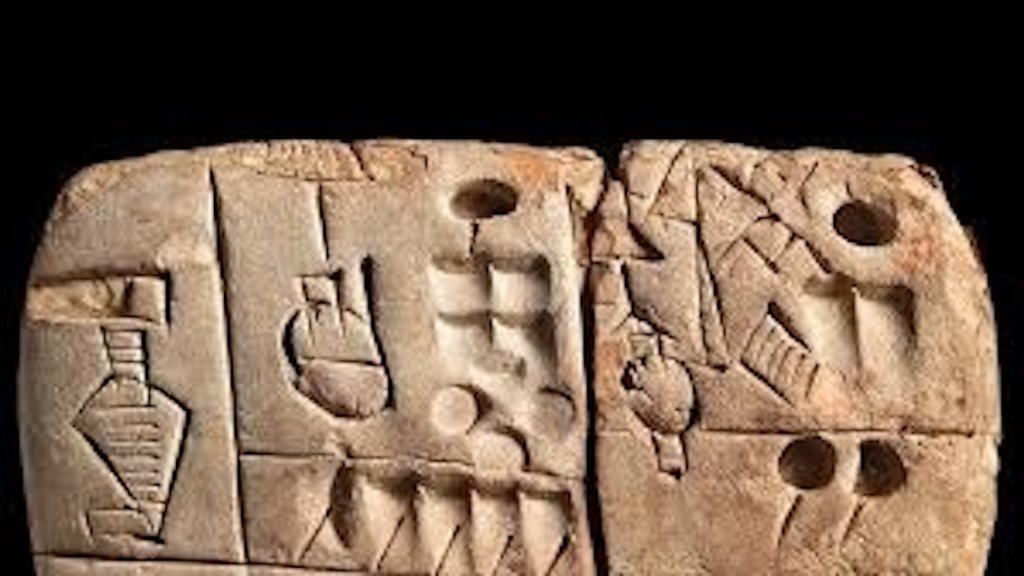
At peace. I revisited Iraq. This time, I could effortlessly wade past the ISIS, the Gulf War and a country in ruins — to a once-prosperous civilisation between the Tigris and the Euphrates. I recalled the fascinating history of Mesopotamia and its rich and varied heritage. One of the oldest civilisations in the world; the birth place of cuneiform writing and recorded history… and much more.
The Mesopotamian I met that day left me a lesson — to savour the true vibrant colours of this beautiful world, one must see it without tinted glasses.
In a month into the excursion, I would meet a Pakistani — the one and only person of that nationality, I have ever interacted with. He’d leave another indelible memory, and a small debt, which, I doubt, I’d ever have an opportunity to repay. That story… another day, another time.
Comments
Air Commodore Anil Kumar Benipuri (Veteran) : This is also called the Stockholm Syndrome. 🤣🤣
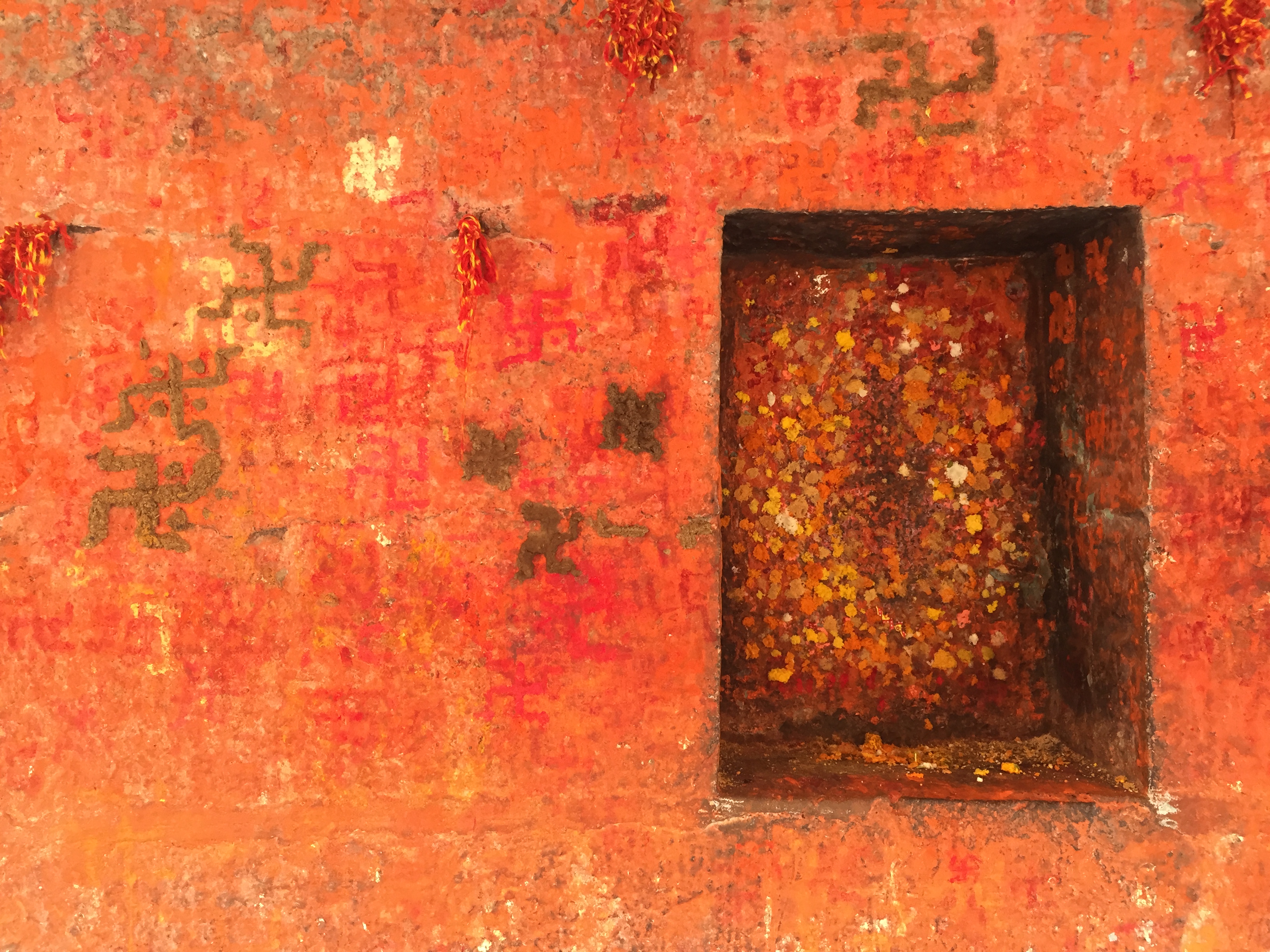
For centuries, cultures across the world have used the Swastika as a sacred icon. Literally, the word Swastika is formed of two Sanskrit words ‘सु’ (meaning ‘well’ or ‘good’) and ‘अस्ति’ (meaning ‘to be’). Most Indian scriptures depict it as a symbol of well-being. For a religious-minded in India, it symbolises two Gods. One is the Goddess of wealth and prosperity––Maa Laxmi. And the other is the God of all wisdom––Lord Ganesha. Hindus, Jains, Buddhists and a large number of Eurasians regard and revere the symbol––auspicious ceremonies commence with the worship of the symbol.
For some, Swastika comprises four elements––earth, air, water and fire. It adorns the walls of places of worship. People treat it as a symbol of positive energy and good luck. From divinity and spirituality to auspiciousness and good fortune and from religiousness to mysticism, Swastika evokes many feelings (to say nothing of Hitler’s Swastika which sets afire an entirely different emotion).
A Swastika
can be drawn in two ways. One: with the outer elements drawn in a clockwise
direction. And two: with them being drawn in the counter clockwise direction.
Drawn any which way, a Swastika is a
lot more than the simple geometric figure it appears to be. Visit the famous Chintaman Ganesh Temple in Ujjain to
feel the power and the magic of the two Swastika.
Chintaman Ganesh Temple, Ujjain
The Chintaman
Ganesh Temple is located on the outskirts of the holy city of Ujjain known
for its glorious past. King Vikramaditya ruled here and Kalidasa wrote the epic
Shakuntalam and Meghdutam in the serene atmosphere on the bank of the Shipra
River.
According to the scriptures, Lord Rama
stopped here for a while during his fourteen years in exile. Finding things
amiss, he established the temple to get the blessings of Lord Ganesha. Laxman,
on his part shot an arrow into the ground to create a well to provide water for
a thirsty Sita to drink. The well called Laxman
Baori is located next to the temple.
Laxman Baori
And now about the magic of the two Swastika…
People from far and wide visit the temple
with the hope of getting their wishes fulfilled. The faithful believe that if
one draws a Swastika (anticlockwise)
and makes a wish after praying to Lord Ganesha in the temple, the wish comes
true. And then––when the wish is fulfilled––one is expected to re-visit the
temple and draw another Swastika
(clockwise, this time on). Looking at the hundreds of Swastika drawn on the temple’s walls––both anticlockwise and
clockwise––one can gauge the popularity of the Temple.
Swastika and the Sacred Thread
Lately, people have started complementing the
Swastika with a sacred thread for the
same effect. One ties a thread while making a wish and removes it (or any other
thread) when the wish is fulfilled. Thousands of sacred threads tell a tale of
belief.
Wishes, unfulfilled and the fulfilled
Some of those whose wishes are fulfilled have
a curious way of conveying their gratitude to the God. They weigh themselves in
clothes, blankets, sweets or milk or food grain and donate the same to the
poor. The poor and the transgender thrive on the generosity and the largesse of
the blessed ones. At all times, the temple is thronged by two categories of
people––those with wishes to be fulfilled and those, whose wishes have been
fulfilled. The first category includes the newly married couples.
Gratitude by weight
To be happily married forever
The next time when there’s an exam to be cracked; a heart to be won; a family feud to be resolved; a lottery to be won; or, peace to be restored in a tumultuous life––think of the two Swastika and the Chintaman Ganesha Temple of Ujjain (sixty kilometres from Indore Airport in Madhya Pradesh).
Utterly tired
and exhausted when we reached The Golden Tusk, the one and only thing on our
minds was to CRASH OUT.
Like most of
our holidays, this was a miserly planned one with regards to time. We had, but
two days in our hands to be there and back. The one thing that reined our
thoughts and discussions as Chhaya and I drove the 275 odd kilometres from
NOIDA to Jim Corbett National Park, was the strong urge to spot a tiger on the
Jungle Safari the next morning. I must have driven like a man possessed, a
driver driving at Grand Prix for despite some traffic snarls, we made it in five
hours flat. We were at The Golden Tusk at 11 am.
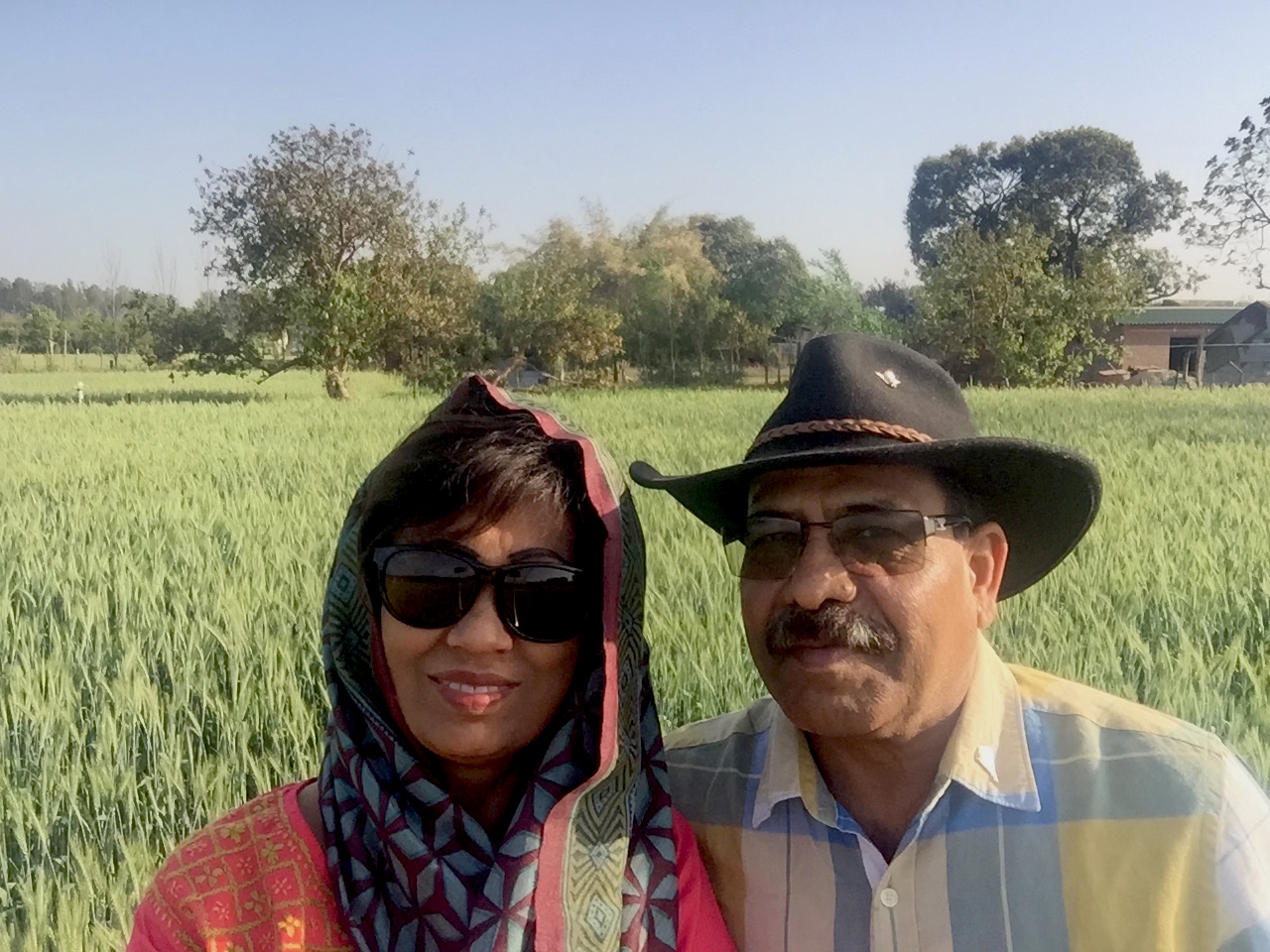
WeTwo at Corbett
When we arrived
at the gates we did not want food; there was no desire to go sight seeing; and
no wish even to meet our coordinator and know about the itinerary––those things
were pretty low on our list of priorities. All that we wanted was to CRASH OUT.
Was it a blunder to have set aside just two days for an excursion in Jim
Corbett? May be. May not be. Read on.
Mr Sandeep Agrawal who had helped us undertake the trip at a very short notice also guided us to The Golden Tusk. Meeting the gentleman personally was a great pleasure. Moments spent at his residence on the return leg, felt like being with an extended family.
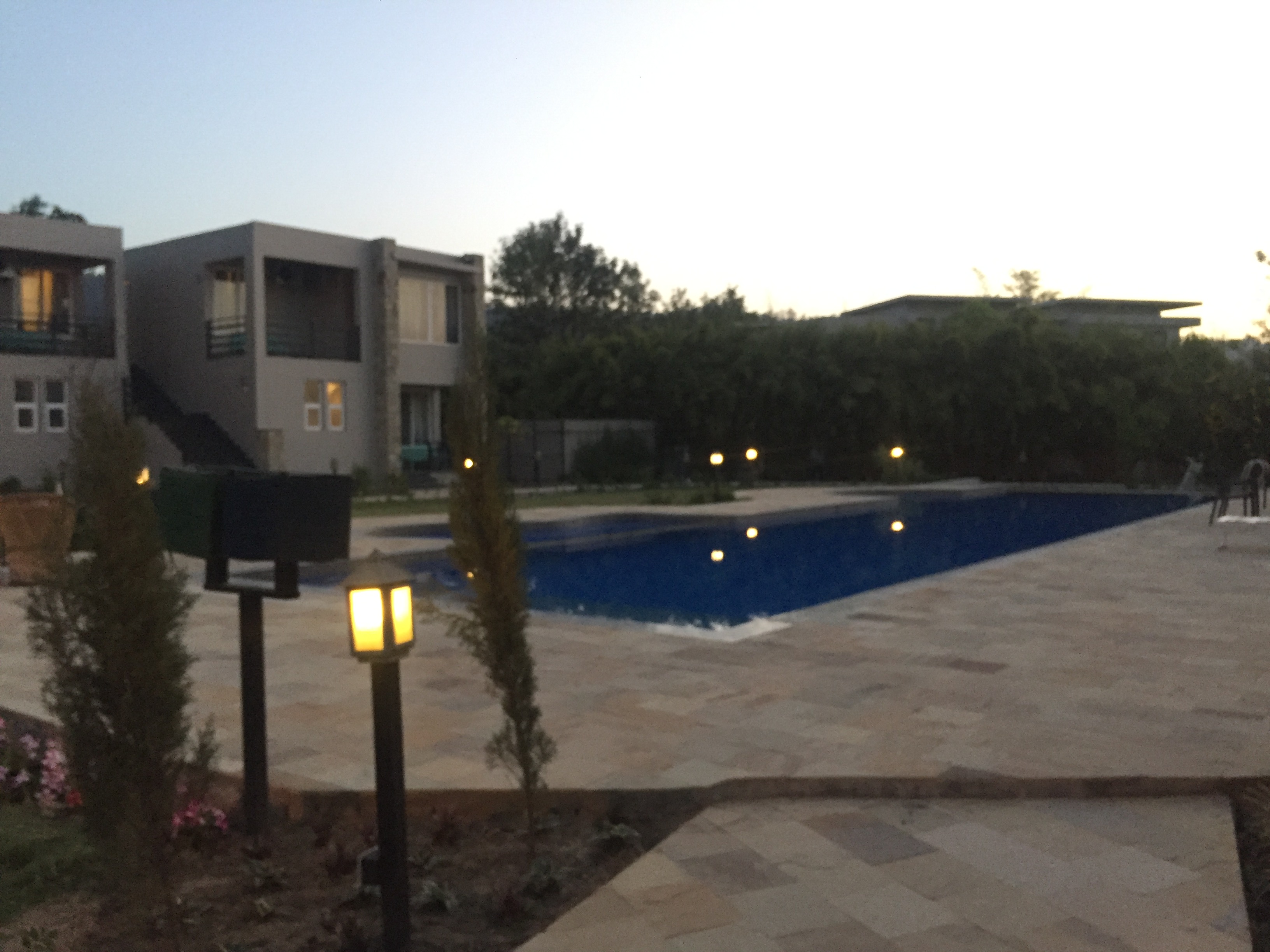
Mr Prakash welcomed us at the resort with a disarming smile that took away a part of the travel fatigue. An exceptionally cordial concierge, he made every possible effort to make our short stay memorable. Since the trip was planned in a hurry, all we were interested in was a decent place to stay for the night. We had not cared to know much about the resort. Over a refreshing welcome drink Prakash told us briefly about the available amenities and meal timings. Let alone two, we had not imagined a single swimming pool in that resort. Not to talk of a spa in the middle of nowhere. Although we were not prepared for a swim and did not avail the spa facility, even the deliberatel slow walk past them to our room was refreshing. Then there were a whole lot of contraptions and apparatuses for the children and the adventure seekers. Everything around seemed to be conspiring against the idea of a siesta––a thing that was, until then, uppermost on our minds.
The room,
overlooking the swimming pool on one side and a vast green patch ending into
the distant hills, had everything one would dream of (and more) after a long
and tiring drive. Besides being neat and tidy, and well furnished, the accommodation
was spacious with abundant natural light. There were balconies to savour the
exotic surroundings.
Luxury par excellence
A warm water
bath was so refreshing that we consigned the idea of a nap to a later part of
the day and chose to go around the resort before lunch. The buffet was
lavish––a variety of Indian, Western and Chinese cuisine and, of course, a good
spread of desserts, my weakness. It was a tad confusing. What and whatnot to
eat? So we went on a binge.
More out of
kopophobia rather than actual fatigue, we forced on ourselves a half-hour
siesta. All through those thirty long minutes we were like fidgety children waiting
to get over with a forced rest period. By 3 pm we were out again taking a
stroll through the local village. We experienced life––pure as pure can be. Two
hours were gone in a jiffy. It was teatime.
The cacophony
Tea and really
high eats! I love good food. Had a field day. Sitting by a dry riverbed on the
lawns of the resort, we shared a cup of tea with Mr Sumit Lakhotia, the
Director of The Golden Tusk. He floored us with his genuine concern for the
comfort of the guests and his plans for expansion and improving the facilities.
His regard for the environment was admirable too; he was working towards a near
zero waste facility. I was specially drawn to something that he had in mind to
keep the golfers entertained in the future. Wow! That would perhaps be another
of the many reasons I would want to be back at The Golden Tusk at a later date.
After tea, with a lot of enthusiasm Sumit showed us around the resort. On
display were some rare plant species that he had procured from different parts
of the world. Then he took us to a grove where, at dusk, all the birds in the area
had gathered. We got an opportunity to feel a cacophony we had never
experienced before. A parliament debate on the Lok Sabha television was the
only similar thing we could recall.
Fine hospitality
At dinner, the smiling
staff (and the chefs) displayed an overwhelming sense of hospitality. They were
like hosts entertaining personal guests at home––going out of their ways to
ensure that the guests tasted almost everything that was on offer and returned
satiated. Extra care had been taken to ensure that even the toddlers were
absolutely at home.
Toddlers at Home
After dinner, we
spent some time by the poolside. The shimmering water in the subdued light, and
the countless stars in the clear sky––don’t remember when we had seen such a
clear sky last––was a treat not only to the eyes, but to the mind and the soul
as well. Sleep had receded far behind in our scheme of things. We would have
spent the entire night stargazing in the armchairs by the poolside. But the lure
of a Jungle Safari––our raison d’être at Jim Corbett––coerced us to return to
the cosy comfort of our room.
By the Poolside on a star-lit night
We were out at
dawn, waiting eagerly to hop on to a vehicle and enjoy the Jungle Safari.
Surprisingly, a feeling of melancholy pervaded the morning air. For many awaiting
the vehicles, it wasn’t the first trip to Corbett Park. They had never seen a
tiger in their earlier trips and were not sure whether they would ever spot
one.
Talking of ‘HOPE’.
I belong to that category of people who carry an umbrella when they go to a
temple to pray for rains. I was looking forward to a rendezvous with a tiger. We
joined two young keen bird-watchers and a guide with a driver on the Safari. It
is no wonder that in the prevailing atmosphere of hopelessness (with regards to
seeing a tiger) everyone burst out laughing when I asked the guide what were we
expected to do if a tiger were to attack our vehicle. People were mighty amused
with my hopefulness. We enjoyed the pleasant chill as we drove into the forest.
The guide’s
knowledge of the flora and fauna was profound. He had been perambulating up and
down that forest ever since he was a child. He knew literally all the birds and
could tweet like them. He had an answer for every question. The most striking
thing that endeared him to all of us was his unadulterated love for wildlife. We
stopped occasionally at the behest of the two young men who would discuss the
names and characteristics of the birds with the guide as they went along
clicking pictures. The guide shared interesting nuggets of information as we went
along. Looking at the elephant poop and the pugmarks he told us that an
elephant had just crossed the road we were driving on.
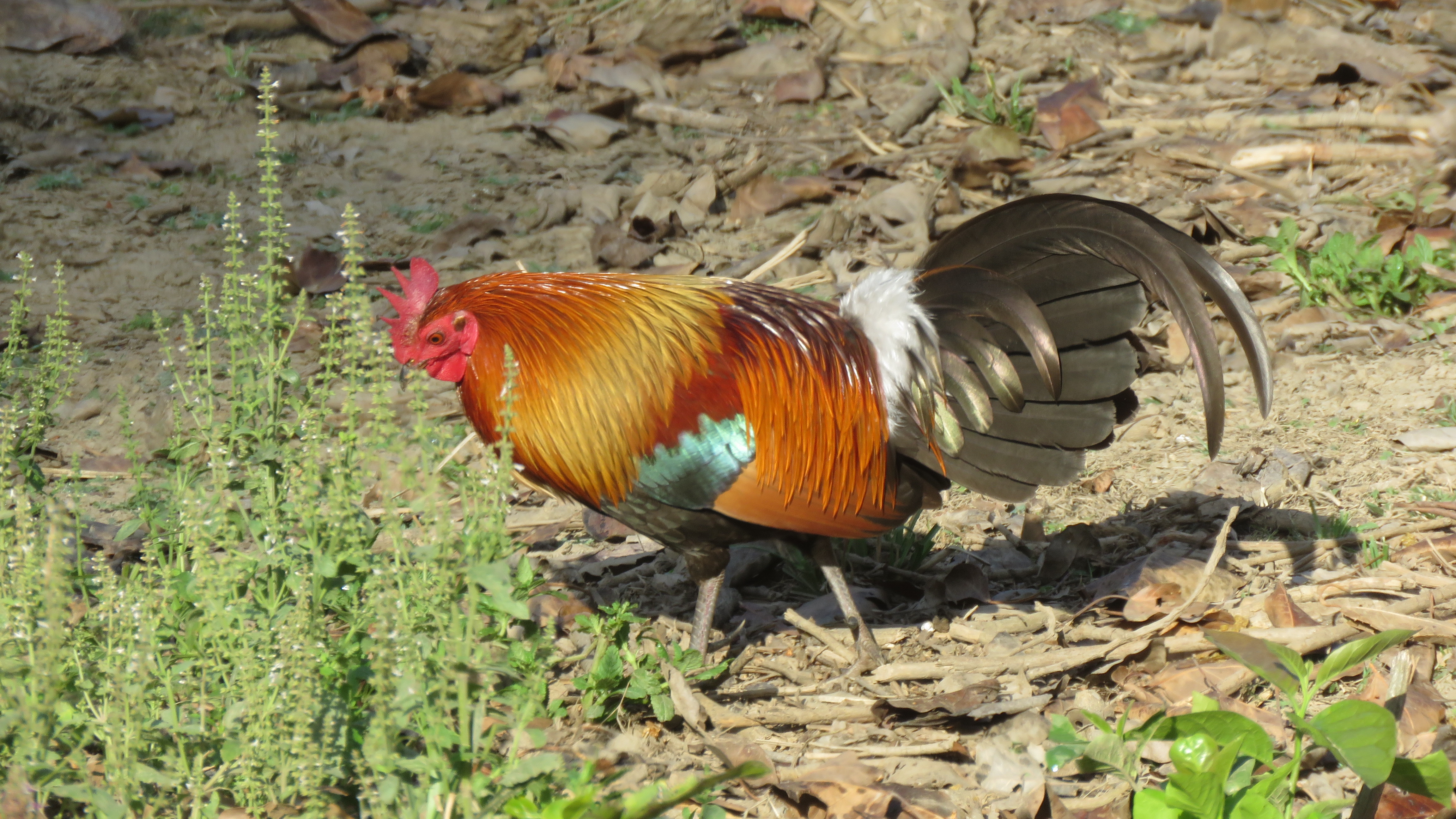
A fowl in search of food
Apart from over
a score of different types of birds including a colourful wild fowl, we were
lucky to see a few deer and a mongoose. A tribe of monkeys with doting mothers
and frolicking little ones made a beautiful sight. A winding road through the
forest; scattered small bodies of water in an otherwise dry riverbed and myriad
shades of green––it was a different world.
And then…
Tiger! Tiger!
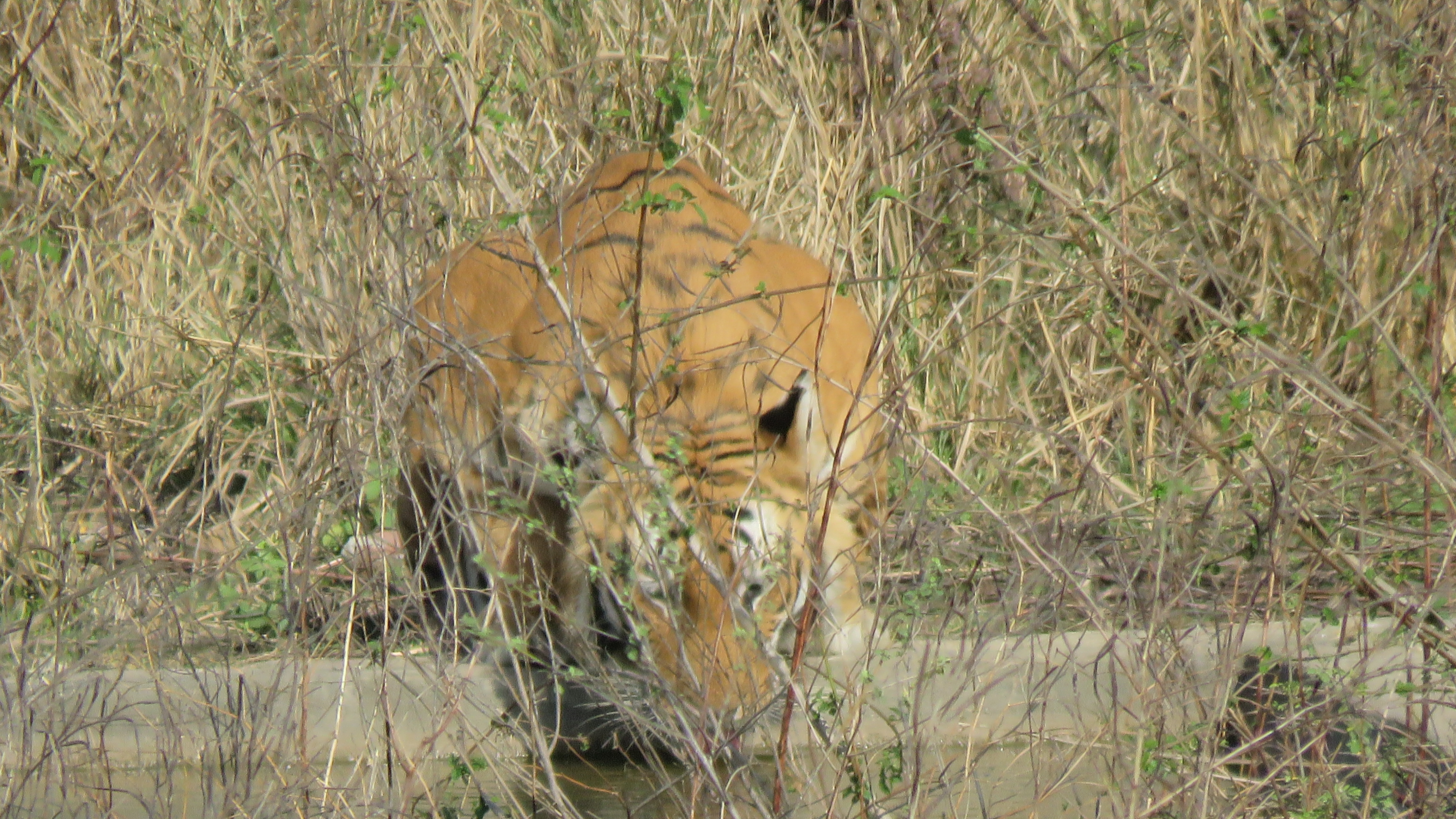
Suddenly, the guide nudged the driver to pull up by the side of the road, and with a finger placed on his lips in the universal gesture urging observance of silence, in a hushed voice he told us to mind a sudden increase in the chatter of monkeys. They had all climbed a tall tree. Then the guide pointed at some deer running helter-skelter. “A tiger must be around,” he said. And, lo and behold, Chhaya spotted one in the distance, drinking water. Spellbound, we saw it walk away majestically after quenching its thirst. There was enough time to click some memorable pictures.
“Been there!
Seen a tiger!” A prayer had been answered.
The tusker
As we moved along we saw another beautiful sight––a full-grown elephant sashaying along the road. Another dream had come true!
Soon we were
running out of time––there is a provision for levying fine for overstay in the
restricted area. Although we were now in a hurry, we did not miss a peacock
dancing. The last memorable sight was of a large number of vultures perched
high on top of the rocks. As per our guide, they were by far the happiest
members of the Corbett society––there was always enough to scavenge from.
Back at The Golden Tusk, we tore ravenously at the breakfast laid for us; thanked everyone for making our stay so very special. Wheels had rolled by noon. On the way back, the traffic didn’t permit us to pick up speed. We reached NOIDA and drove into our parking lot by 10 pm. We did CRASH OUT this time.
The stay and the fine hospitality at The Golden Tusk, the Jungle Safari, rendezvous with the tiger and the drive to and fro––everything seems like a dream.










 Road Much Travelled